

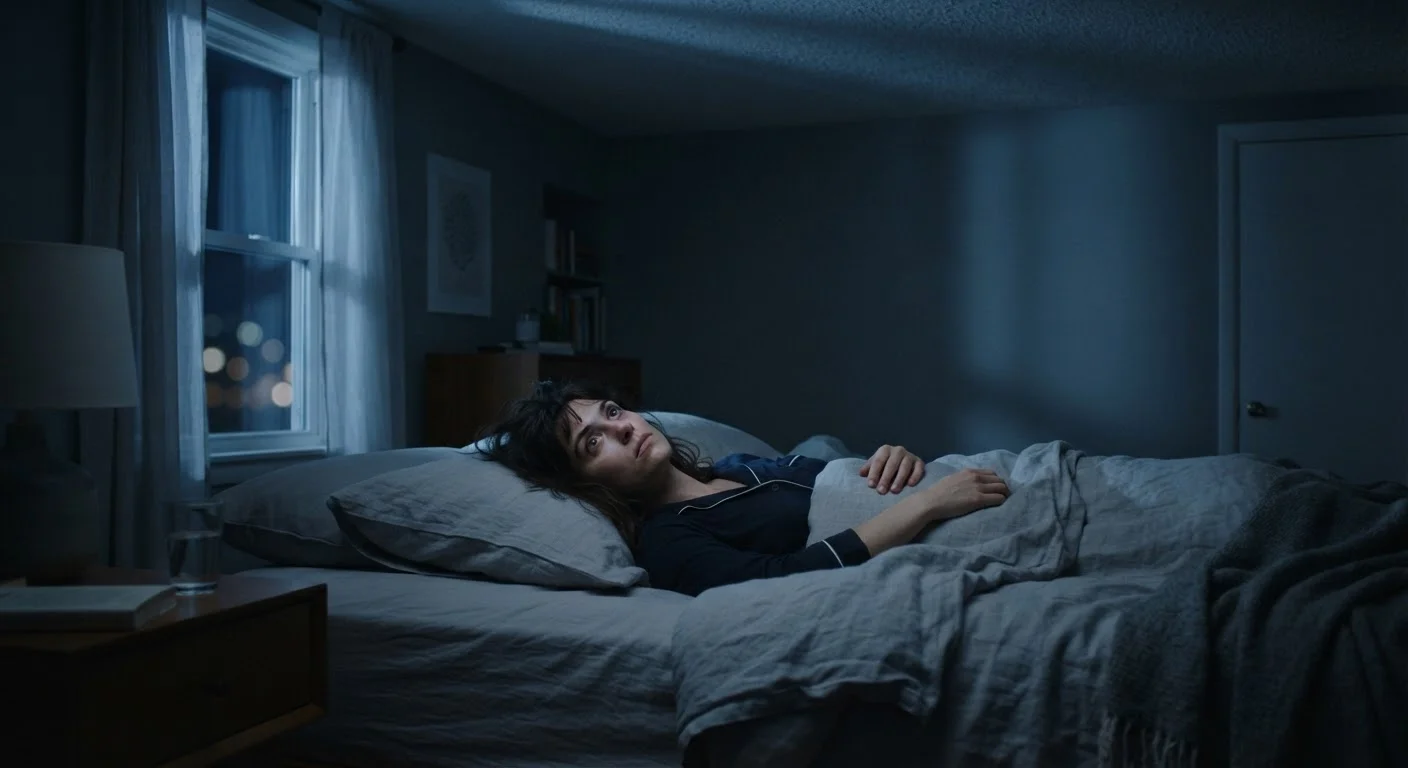
Understanding Sleep Disorders: A Starting Point
Sleep disorders are conditions that consistently disrupt the quality, timing, or duration of sleep — and their reach across the United States is substantial. Estimates from the American Academy of Sleep Medicine suggest that between 50 and 70 million Americans are affected by a sleep disorder at some point in their lives. Yet many people normalize their symptoms for years before seeking evaluation.
For a broader look at what sleep disorders are and why addressing them matters for long-term health, see our overview of sleep disorders. The sections below focus on the most commonly diagnosed conditions, what they typically look like, and how they are generally managed.
Insomnia Disorder
A clinical sleep condition characterized by chronic difficulty initiating or maintaining sleep, or waking too early, occurring at least three nights per week for three or more months and causing daytime impairment.
Obstructive Sleep Apnea (OSA)
A sleep disorder in which the upper airway repeatedly collapses during sleep, causing pauses in breathing, reduced oxygen levels, and fragmented sleep.
Restless Legs Syndrome (RLS)
A neurological sensory disorder marked by an irresistible urge to move the legs, typically accompanied by uncomfortable sensations that worsen during rest and evenings.
Circadian Rhythm
The body's internal 24-hour biological clock that regulates the sleep-wake cycle, hormone release, and other physiological processes in sync with the external environment.
Parasomnia
A category of sleep disorders involving abnormal movements, behaviors, emotions, or perceptions that occur during sleep or the transitions between sleep and wakefulness.
CBT-I
Cognitive Behavioral Therapy for Insomnia — a structured, evidence-based psychological treatment that addresses the thoughts and behaviors that perpetuate chronic insomnia, widely recommended as a first-line intervention.
The Most Prevalent Sleep Disorders in Adults
While dozens of sleep disorders are recognized in clinical practice, a handful account for the vast majority of diagnoses among American adults.
| Estimated adults affected by sleep disorders (U.S.) | 50–70 million (American Academy of Sleep Medicine) |
| Most common sleep disorder | Insomnia |
| First-line treatment for chronic insomnia | CBT-I (Cognitive Behavioral Therapy for Insomnia) (American College of Physicians guidelines) |
| OSA diagnosis method | Polysomnography or home sleep apnea test |
| Chronic insomnia definition threshold | ≥3 nights/week for ≥3 months (ICSD-3 diagnostic criteria) |
Insomnia Disorder
Insomnia is the most common sleep disorder. It involves persistent difficulty falling asleep, staying asleep, or waking earlier than desired — despite adequate opportunity for sleep. Chronic insomnia disorder is defined by symptoms occurring at least three nights per week for three or more months. Cognitive behavioral therapy for insomnia (CBT-I) is considered the first-line treatment by most sleep medicine guidelines, and it has been shown to produce durable improvements without reliance on medication.
Obstructive Sleep Apnea
Obstructive sleep apnea (OSA) occurs when the upper airway repeatedly collapses during sleep, causing brief breathing pauses and fragmented rest. Loud snoring, gasping, and excessive daytime sleepiness are hallmark signs. OSA is significantly underdiagnosed — many people are unaware they have it until a bed partner notices. Diagnosis requires a sleep study (polysomnography or a home sleep apnea test). Management approaches range from positive airway pressure therapy to positional devices and oral appliances. For a detailed look at options, see our article on sleep apnea treatment approaches.
Restless Legs Syndrome
Restless legs syndrome (RLS) produces uncomfortable sensations in the legs — often described as creeping, crawling, or itching — that worsen at rest and are temporarily relieved by movement. Symptoms typically intensify in the evening or night, making it difficult to fall asleep. RLS has known associations with iron deficiency and certain medications; a healthcare provider can help evaluate underlying contributors.
Circadian Rhythm Sleep-Wake Disorders
These disorders arise when a person's internal biological clock is misaligned with their environment or social obligations. Delayed sleep-wake phase disorder (where sleep is shifted significantly later than desired) is among the most common variants in adults. Shift workers and frequent travelers are particularly susceptible. Light therapy and carefully timed sleep scheduling are used under clinical guidance to help realign circadian rhythms.
Parasomnias
Parasomnias are disruptive behaviors or experiences that occur during sleep — including sleepwalking, sleep talking, night terrors, and REM sleep behavior disorder. REM sleep behavior disorder, in which individuals physically act out vivid dreams, is more common in older adults and has recognized associations with certain neurological conditions. Any recurring parasomnia warrants evaluation by a sleep specialist or physician.
It's worth noting that lifestyle factors can amplify the symptoms of all these conditions. Our guide on overlooked habits that erode sleep covers many of the hidden contributors worth examining alongside a formal diagnosis.
Next Steps: When to Seek Evaluation
Recognizing patterns in your own sleep is a meaningful first step, but self-identification is not the same as diagnosis. If you regularly experience excessive daytime sleepiness, loud snoring, prolonged difficulty sleeping, or unusual nighttime behaviors, these are reasonable reasons to discuss your sleep with a qualified healthcare professional. A primary care physician can perform an initial evaluation and refer to a sleep specialist when warranted.
Building supportive sleep habits can complement any treatment plan. Explore evidence-based routines in our Better Sleep Habits hub for practical, everyday strategies.
This article is for general informational and educational purposes only and does not constitute medical advice. Always consult a qualified healthcare professional for concerns about your sleep or health.
The content on this site is for informational purposes only and is not a substitute for professional advice. Always consult a qualified professional for guidance specific to your situation.