

Our Verdict
No single sleep apnea treatment fits everyone. CPAP therapy has the strongest evidence base for moderate-to-severe obstructive sleep apnea, while oral appliances and positional strategies offer viable paths for milder presentations. Surgical interventions remain a later-stage consideration. The right approach depends on apnea type, severity, anatomy, and individual tolerance — all of which require professional evaluation.
| Best for | Recommended |
|---|---|
| Moderate-to-severe obstructive sleep apnea | CPAP Therapy |
| Mild-to-moderate apnea or CPAP intolerance | Oral Appliance Therapy |
| Positional or supine-dependent apnea | Positional Therapy |
| Cases unresponsive to non-invasive options | Surgical Intervention |
Understanding the Landscape of Sleep Apnea Management
Sleep apnea — a condition marked by repeated pauses in breathing during sleep — is not a single, uniform disorder. Obstructive sleep apnea (OSA) arises when throat muscles relax and block the airway; central sleep apnea involves a failure of the brain's respiratory signaling. Each type, and each individual, may respond differently to management strategies.
For those new to thinking seriously about their sleep, our practical introduction to sleep health covers foundational concepts worth understanding first. This article focuses on the general approaches clinicians use once a formal diagnosis is in place — and what each one broadly involves.
None of the approaches described here should be interpreted as personal medical advice. Always work with a qualified healthcare provider to determine what, if anything, is appropriate for your situation.
The Four Main Management Approaches Compared
Sleep medicine recognizes several broad categories of treatment. Understanding how they differ helps patients have more informed conversations with their care teams.
| CPAP Therapy | Oral Appliance | Positional Therapy | Surgery | |
|---|---|---|---|---|
| Best suited for | Moderate-to-severe OSA | Mild-to-moderate OSA | Supine-dependent OSA | Selected anatomical cases |
| Evidence base | Strongest, most studied | Well-established for mild/moderate | Limited, condition-specific | Varies by procedure |
| Invasiveness | Non-invasive | Non-invasive | Non-invasive | Surgical risk involved |
| Primary challenge | Adherence and comfort | Jaw or bite changes | Only works for positional cases | Recovery and variable outcomes |
| Requires specialist fitting | Yes — sleep medicine | Yes — dental specialist | Minimal | Yes — surgical team |
| Ongoing monitoring needed | Yes | Yes | Recommended | Yes, post-operative |
Each approach carries its own evidence profile, practical demands, and suitability criteria — explored in detail below.
CPAP and Positive Airway Pressure Devices
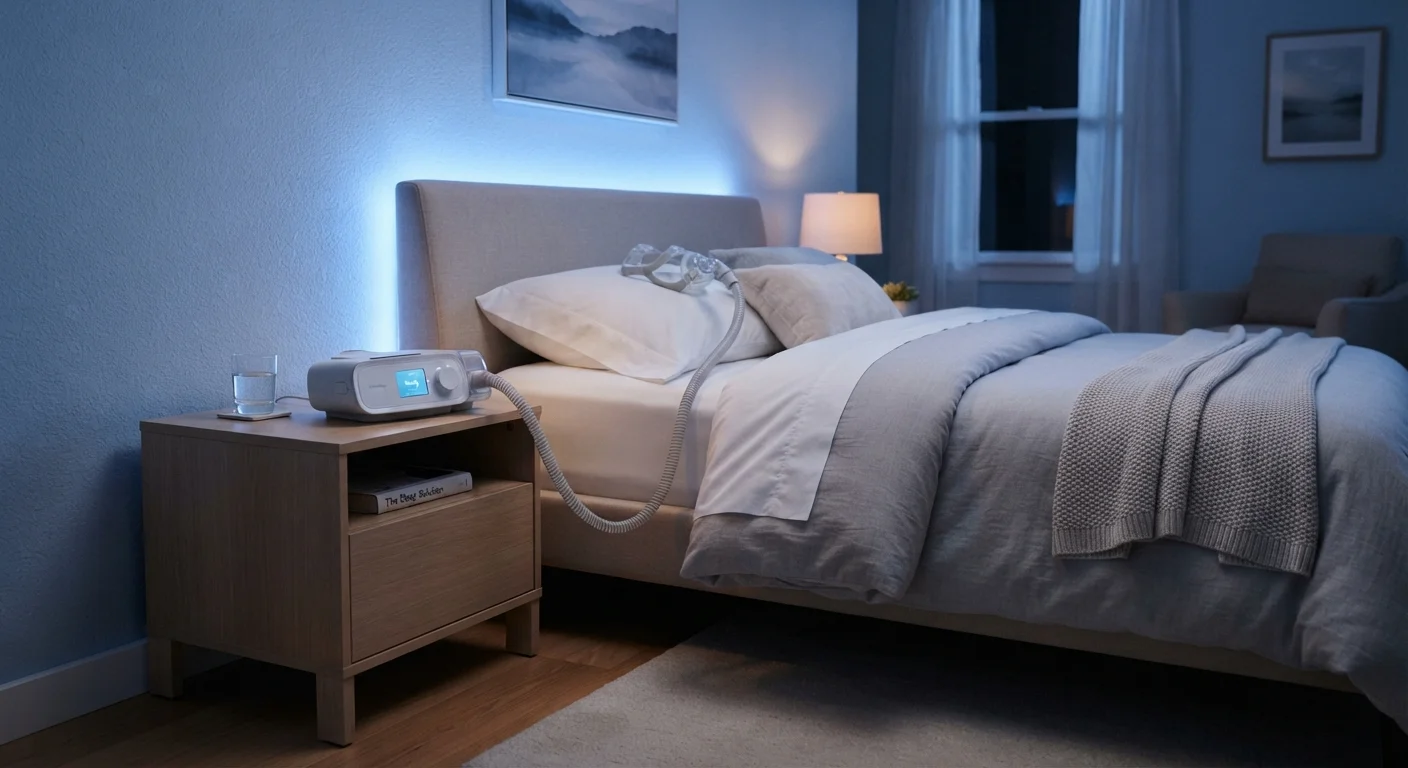
CPAP therapy delivers a steady stream of pressurized air through a mask worn during sleep, physically keeping the airway open. It is the most extensively studied intervention for moderate-to-severe OSA, with research consistently linking adequate CPAP use to reductions in apnea events, daytime sleepiness, and certain cardiovascular risk markers.
Variations include BiPAP, which alternates between two pressure levels, and APAP, which adjusts pressure dynamically. The primary challenge with PAP therapy is adherence — mask discomfort, pressure intolerance, and claustrophobia are commonly reported barriers. Mask fitting, pressure titration, and follow-up support from a sleep medicine team can substantially improve long-term use.
Oral Appliance Therapy and Positional Strategies
Mandibular advancement devices (MADs) are custom-fitted mouthpieces that reposition the lower jaw slightly forward, helping to keep the upper airway open. Clinical guidelines generally support their use for mild-to-moderate OSA, particularly for patients who cannot tolerate CPAP. They require fitting by a qualified dental sleep medicine provider and periodic follow-up to monitor jaw and bite changes.
Positional therapy addresses a specific subtype of OSA where breathing disruptions occur predominantly or exclusively when sleeping on the back (supine position). Devices or strategies that encourage side-sleeping can reduce apnea severity in these individuals. While simpler than other approaches, positional therapy's effectiveness depends entirely on whether a person's apnea is truly position-dependent — something only a sleep study can confirm.
Good general sleep habits remain important alongside any treatment. Our comprehensive sleep hygiene guide covers supportive routines that complement medical management.
Surgical and Emerging Options
Surgery for sleep apnea aims to modify airway anatomy — removing tissue, repositioning the jaw, or stimulating airway muscles. Common procedures include uvulopalatopharyngoplasty (UPPP), which removes excess throat tissue, and maxillomandibular advancement (MMA), a more involved jaw repositioning surgery. Hypoglossal nerve stimulation, an implantable device that prompts tongue movement to keep the airway clear, has gained traction as an option for select OSA patients who have not responded to PAP therapy.
Surgical interventions typically carry higher risk profiles and longer recovery periods than non-invasive options. They are generally considered after other approaches have been tried, and outcomes vary considerably based on anatomy and procedure type.
Prepare Before Your Appointment
Documenting your symptoms — including how often you wake, snoring patterns noted by a partner, and daytime fatigue levels — gives your provider much more to work with. Tracking this information for even a week or two before your visit can meaningfully improve the quality of your consultation.
If you are preparing to discuss any of these options with a provider, our guide on talking to a doctor about sleep problems can help you organize your questions and symptoms effectively.
This article is for general informational purposes only and does not constitute medical advice. If you have concerns about sleep apnea or related symptoms, consult a qualified healthcare professional for evaluation and guidance.
The content on this site is for informational purposes only and is not a substitute for professional advice. Always consult a qualified professional for guidance specific to your situation.