

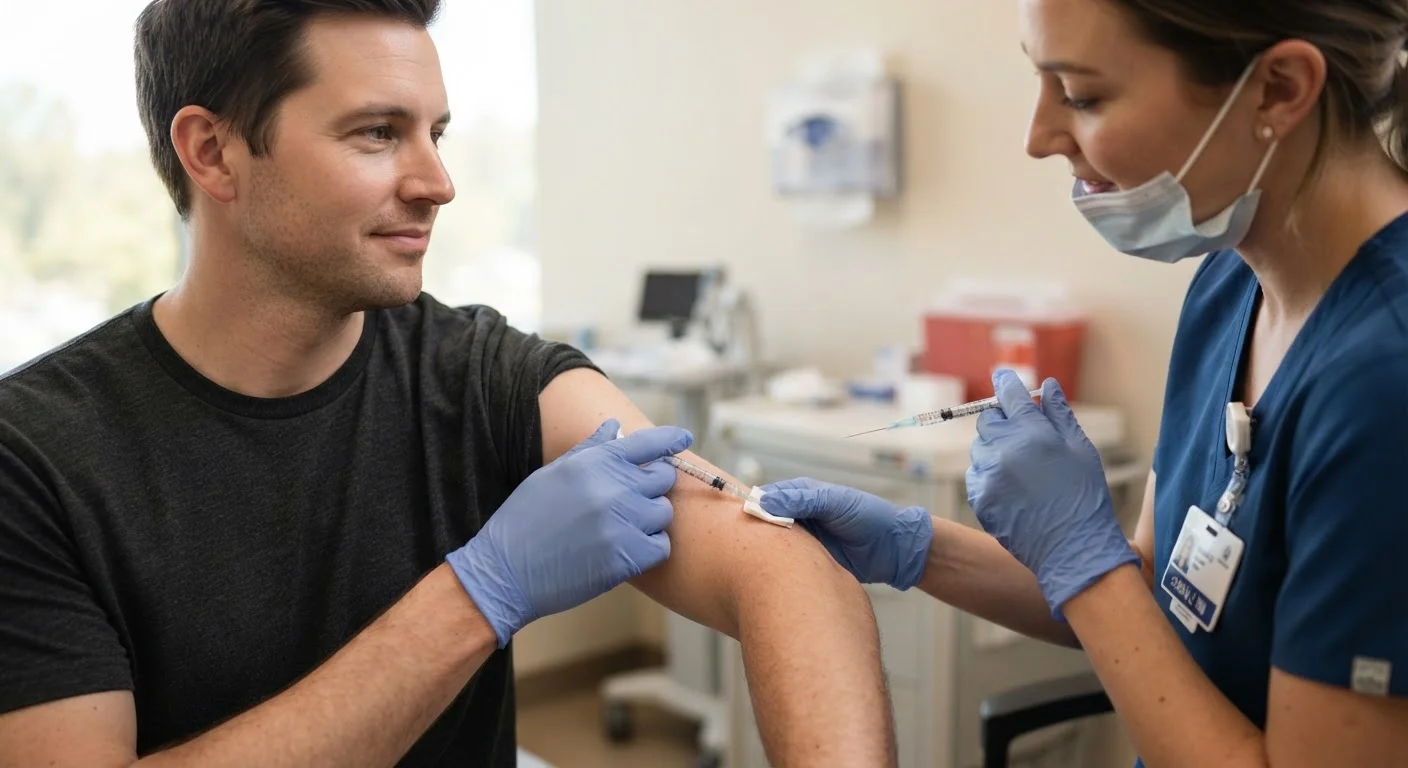
How Vaccine-Induced Immunity Works — and Why It Can Fade
When you receive a vaccine, your immune system mounts a response: it produces antibodies and develops memory cells designed to recognize the targeted pathogen. This immune memory is what makes vaccines so effective. But immunity is not always permanent.
For many vaccines, antibody levels — a key measure of protection — decline over time. This is a normal biological process, not a manufacturing defect. Some vaccines produce memory that lasts decades; others produce responses that taper off within a few years or even months. The durability of protection depends on the vaccine's design, the pathogen it targets, and individual immune factors such as age and health status.
Understanding the difference between lasting and waning immunity is central to understanding why booster doses exist. For a deeper look at how infection-acquired and vaccine-acquired immunity compare, see our article on natural immunity vs. vaccine-induced immunity.
10 years
Recommended interval for Tdap/Td booster
The CDC recommends a tetanus-diphtheria booster every 10 years for adults, reflecting the documented decline in protective antibody levels over that period.
Annual
Frequency of reformulated influenza vaccine
The WHO and CDC coordinate global influenza surveillance each year to update vaccine strain composition, given the rapid mutation rate of influenza viruses.
~50%
Reduction in shingles risk with two-dose Shingrix series
According to CDC data, the two-dose Shingrix vaccine is more than 90% effective in adults 50 and older — a significant improvement over the older single-dose formulation.
Two Core Reasons Boosters Are Recommended
Public health agencies recommend booster doses for two primary reasons: waning immunity and pathogen evolution.
Waning Immunity
Even when a vaccine works well initially, the level of circulating antibodies can drop below the threshold needed to prevent infection or severe disease. Tetanus boosters, for example, are recommended every 10 years because protective antibody levels reliably decline over that interval. Similarly, evidence emerged that protection from certain COVID-19 vaccines against symptomatic infection decreased meaningfully over several months, prompting updated booster guidance.
Pathogen Evolution
Some pathogens — notably influenza viruses — mutate frequently enough that last year's vaccine may offer limited protection against this season's circulating strains. Annual flu shots are reformulated each year based on global surveillance data to match the strains most likely to spread. This is a different dynamic from waning immunity; it's a moving-target problem that requires updated vaccine formulations rather than simply re-dosing with the original.
How Public Health Agencies Decide When Boosters Are Needed
Booster recommendations are not arbitrary. In the United States, the CDC's Advisory Committee on Immunization Practices (ACIP) reviews multiple streams of evidence before issuing guidance:
- Immunogenicity studies: Laboratory data tracking how antibody levels change over time after vaccination.
- Real-world effectiveness data: Population-level research measuring how well vaccinated individuals are protected compared to unvaccinated ones, at different time points.
- Disease surveillance: Tracking outbreaks and breakthrough infections to identify patterns that suggest declining population immunity.
- Risk-benefit analysis: Weighing the population benefit of additional doses against any potential risks or logistical burdens.
This evidence-based process means that booster recommendations may shift as new data become available — which is why staying connected to your healthcare provider and reputable public health sources matters. Adults who are uncertain about their vaccination status should review the full adult immunization schedule; our overview of adult vaccination recommendations is a helpful starting point.
Who May Need Boosters More Frequently
Standard booster schedules are designed for the general adult population, but some groups may need additional or earlier doses. Older adults often mount weaker initial immune responses, and protection may fade faster. People with compromised immune systems — due to conditions like HIV, cancer treatment, or organ transplantation — may not respond robustly to initial vaccine series and can require additional doses to achieve adequate protection.
For these populations, the standard schedule serves as a floor, not a ceiling. A healthcare provider can assess individual immune status and recommend a tailored approach. Our article on vaccines for immunocompromised individuals outlines key considerations for this group.
Boosters also contribute to broader community protection. When a high proportion of the population maintains immunity, the spread of disease slows — a principle explored further in our piece on herd immunity.
This article is for general informational purposes only and does not constitute medical advice. Always consult a qualified healthcare professional for guidance specific to your health history and vaccination needs.
Frequently Asked Questions
It depends on how long the vaccine generates a protective immune response and whether the target pathogen changes over time. Vaccines like MMR (measles, mumps, rubella) confer long-lasting immunity, while others like Tdap or flu vaccines require periodic reinforcement due to waning antibody levels or viral evolution.
Agencies such as the CDC and its Advisory Committee on Immunization Practices (ACIP) review antibody durability studies, real-world vaccine effectiveness data, and disease surveillance trends. When evidence shows a meaningful decline in protection, a booster recommendation is issued.
Yes, booster doses go through the same rigorous safety review process as initial vaccine doses. Side effects are generally mild and short-lived, similar to those experienced after primary vaccination. Consult your healthcare provider if you have specific concerns.
Natural infection can confer some immunity, but it varies by disease and individual. For most vaccine-preventable diseases, public health guidelines still recommend vaccination and boosters on schedule regardless of prior infection. Discuss your specific situation with a healthcare provider.
Older adults, immunocompromised individuals, and those with certain chronic conditions may need boosters sooner or more frequently because their immune response to vaccines can be weaker or shorter-lived. See our article on <a href="/preventive-health/vaccines-immunity/immunocompromised-individuals-and-vaccines-key-considerations">vaccines for immunocompromised individuals</a> for more context.
The CDC publishes an annually updated adult immunization schedule at cdc.gov. Your primary care provider can also review your vaccination history and recommend any doses you may be missing.
The content on this site is for informational purposes only and is not a substitute for professional advice. Always consult a qualified professional for guidance specific to your situation.