

Start here
What Are Micronutrients?
Build understanding
Vitamins vs. Minerals: The Key Difference
See why it matters
Why Micronutrients Matter for Daily Health
Identify your gaps
Common Gaps in the American Diet
Take action
How to Start Getting More Micronutrients
What Are Micronutrients?
The word micronutrient simply means a nutrient your body needs in relatively small amounts — micro as in tiny, not unimportant. This category covers all vitamins and minerals essential for normal body function. Unlike macronutrients (proteins, carbohydrates, and fats), micronutrients don't supply calories or energy directly. Instead, they serve as the tools and catalysts that allow your body to use energy, build tissue, fight infection, and carry out thousands of chemical reactions every day.
The term essential has a specific meaning in nutrition: your body either cannot make the nutrient at all, or cannot make enough of it to meet its needs. That means you have to get essential micronutrients from the food you eat. There are 13 recognized essential vitamins and a range of essential minerals, each with its own set of roles. For a full at-a-glance reference, see every essential vitamin and mineral.
Micronutrient
A vitamin or mineral that the body requires in small quantities to carry out essential functions. They do not provide energy (calories) but are critical for virtually every biological process.
Essential nutrient
A nutrient the body cannot make in sufficient quantities on its own, meaning it must come from food or, in some cases, supplements.
Fat-soluble vitamin
A vitamin (A, D, E, or K) that dissolves in fat and can be stored in the body's fatty tissue and liver for later use.
Water-soluble vitamin
A vitamin (C or any of the B vitamins) that dissolves in water and is not stored as readily by the body, making regular dietary intake important.
Trace mineral
A mineral the body needs only in very small amounts — such as zinc, selenium, or iodine — but that still plays critical roles in health.
Hidden hunger
A state where calorie needs are being met but the diet lacks adequate vitamins and minerals, leading to micronutrient deficiency without obvious hunger.
Vitamins vs. Minerals: The Key Difference
Vitamins and minerals are both micronutrients, but they differ in their chemistry and how your body handles them.
- Vitamins are organic — they are made by living things (plants, animals, fungi) and can be broken down by heat, air, or cooking. They fall into two categories: fat-soluble vitamins (A, D, E, and K), which are stored in body fat and the liver, and water-soluble vitamins (C and the B vitamins), which the body does not store as easily and generally need to be replenished through regular eating.
- Minerals are inorganic elements found in soil and water that plants and animals absorb. Your body needs larger amounts of some — like calcium, magnesium, and potassium — and only trace amounts of others, such as zinc, selenium, and iodine. Minerals are not destroyed by cooking the way some vitamins are.
Understanding this distinction matters because it shapes how you think about your diet. Eating a wide variety of foods across different categories helps ensure you pick up both types. For a deeper look at how each one functions inside the body, our article on what vitamins and minerals actually do is a helpful next step.
Why Micronutrients Matter for Daily Health
Even though your body needs micronutrients in small amounts, their effects are far-reaching. Consider a few examples:
- Vitamin C supports immune function and helps the body absorb iron from plant foods.
- B vitamins (such as B12, folate, and thiamine) are involved in energy metabolism and the formation of red blood cells.
- Calcium and vitamin D work together to support bone density and muscle function.
- Iron carries oxygen through the bloodstream — without enough, fatigue and impaired concentration can follow.
- Potassium and magnesium play roles in heart rhythm, blood pressure regulation, and nerve signaling.
Micronutrient adequacy also intersects with physical activity. If you're exploring an exercise routine, the workout basics hub is a useful companion, since adequate nutrition supports both performance and recovery.
Common Gaps in the American Diet
National dietary data from the U.S. Department of Agriculture and the Centers for Disease Control and Prevention consistently show that a significant portion of American adults fall short on several key micronutrients. The nutrients most commonly under-consumed include:
- Vitamin D
- Calcium
- Potassium
- Iron (particularly in women of childbearing age)
- Folate
These gaps are largely tied to dietary patterns that are heavy in processed foods and low in vegetables, fruits, legumes, and dairy or fortified alternatives. Processed foods are often calorie-dense but micronutrient-poor — a pattern sometimes called hidden hunger, where calorie needs are met but nutritional needs are not.
A simple way to check your plate
Before reaching for a supplement, take a look at what you're eating over a typical week. If most of your meals are built around processed or packaged foods with few whole vegetables, fruits, or legumes, the more impactful first step is often adjusting your eating patterns. Supplements can play a role in specific situations, but food variety is where most people have the most room to improve.
This article is for general informational and educational purposes only and is not a substitute for professional medical advice, diagnosis, or treatment. Speak with a qualified healthcare provider about your individual nutritional needs.
How to Start Getting More Micronutrients
The most practical foundation is a varied, whole-foods diet. No single food contains every micronutrient you need, which is exactly why variety matters. A few straightforward strategies:
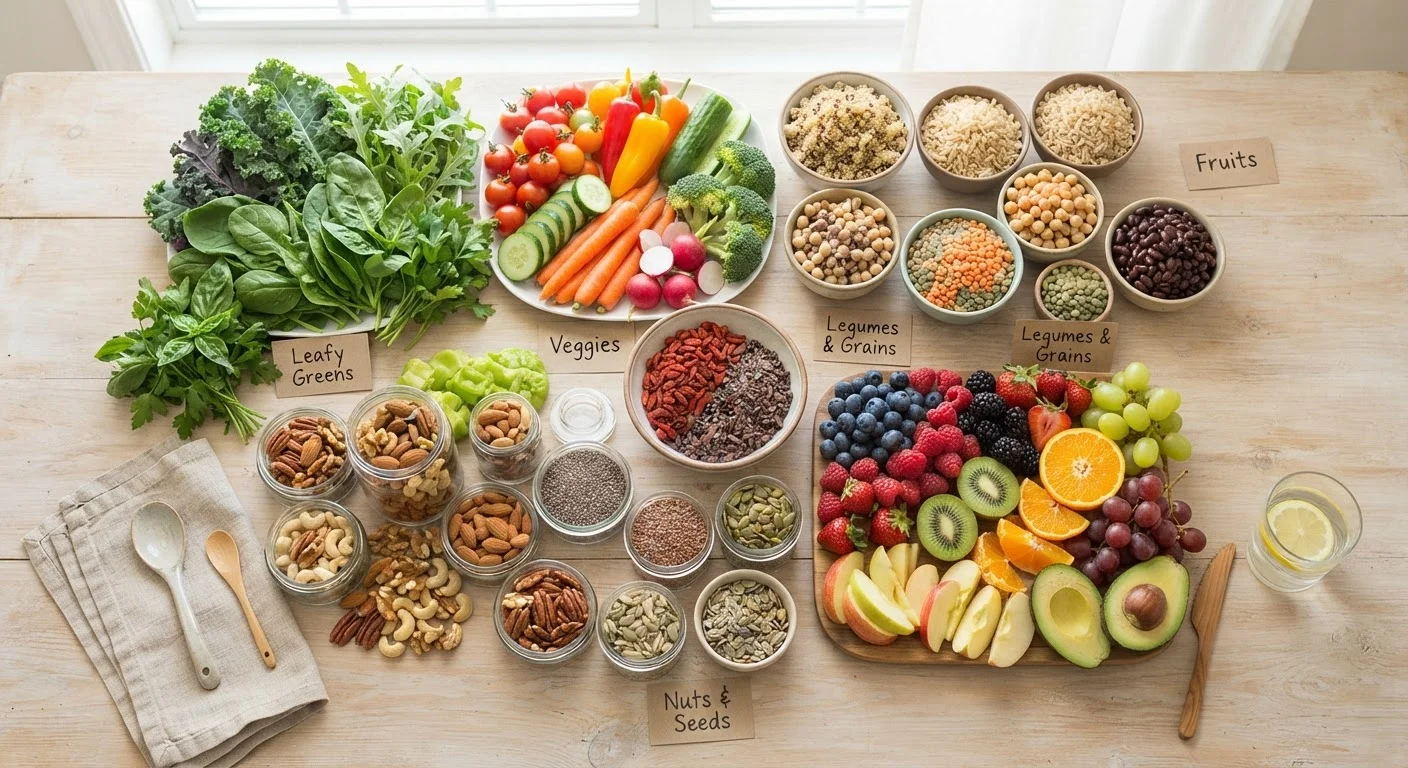
- Eat the rainbow. Different pigments in fruits and vegetables correspond to different nutrients. Aiming for a range of colors over the course of a day naturally broadens your micronutrient coverage.
- Include legumes and whole grains. These are reliable sources of B vitamins, iron, magnesium, and zinc — nutrients that can be hard to get enough of without them.
- Don't skip dairy or fortified alternatives. Calcium and vitamin D are concentrated in dairy products and in many plant-based milks that have been fortified to match.
- Pair nutrients strategically. Eating vitamin C-rich foods alongside iron-rich plant foods (like spinach with lemon juice) can meaningfully improve iron absorption.
For a practical roadmap to meeting your needs through regular meals, our guide on building micronutrient intake through everyday meals offers actionable next steps. If you're new to thinking about nutrition more broadly, pairing this article with our macronutrients primer will give you a solid foundation.
Frequently Asked Questions
Macronutrients — proteins, carbohydrates, and fats — are needed in large amounts and provide your body with energy. Micronutrients are vitamins and minerals required in much smaller quantities, and they support the processes that keep your body running rather than serving as a direct fuel source.
For most healthy adults, a varied diet centered on whole foods can cover the majority of micronutrient needs. Certain life stages or health conditions may make it harder to meet all needs through food alone, which is why a healthcare provider may recommend targeted supplementation in some cases.
Deficiencies can affect many body systems — for example, low iron can contribute to fatigue, and insufficient vitamin D is linked to bone health concerns over time. Symptoms vary widely depending on which nutrient is lacking. A healthcare provider can evaluate your status through blood work if you have concerns.
Supplements can help address specific, confirmed deficiencies, but they do not replicate the full package of nutrients, fiber, and phytochemicals found in whole foods. Relying on supplements as a substitute for a varied diet is generally not recommended by nutrition experts.
National dietary surveys consistently identify vitamin D, calcium, potassium, and dietary fiber as nutrients Americans commonly under-consume. Iron deficiency is also prevalent in certain populations, particularly women of childbearing age.
Yes, significantly. Older adults, for instance, often need more calcium and vitamin D to support bone health, while their calorie needs may decrease. Children, pregnant individuals, and other groups also have distinct needs. For a deeper look, see our guide on <a href="/nutrition-basics/vitamins-minerals/micronutrient-needs-across-life-stages-children-adults-and-older-adults">micronutrient needs across life stages</a>.
The content on this site is for informational purposes only and is not a substitute for professional advice. Always consult a qualified professional for guidance specific to your situation.