

Our Verdict
A plant-based diet can be a nutritionally sound and health-supportive choice for adults over 65, but it requires deliberate planning that goes beyond simply avoiding animal products. The evidence favors plant-forward eating for managing chronic disease risk and supporting digestive and cardiovascular health — provided that critical nutrients like B12, vitamin D, calcium, and protein are consistently met through fortified foods, well-chosen plant sources, or supplementation under professional guidance.
Best suited to older adults who are motivated to plan meals thoughtfully, work with a registered dietitian, and regularly monitor nutritional status through their healthcare provider.
Why Diet Patterns Matter More After 65
The relationship between diet and health deepens with age. After 65, the body becomes less efficient at absorbing certain nutrients, muscle mass declines more readily, and chronic conditions — cardiovascular disease, type 2 diabetes, osteoporosis — become more common. What you eat doesn't just influence energy levels; it plays a direct role in physical independence and quality of life.
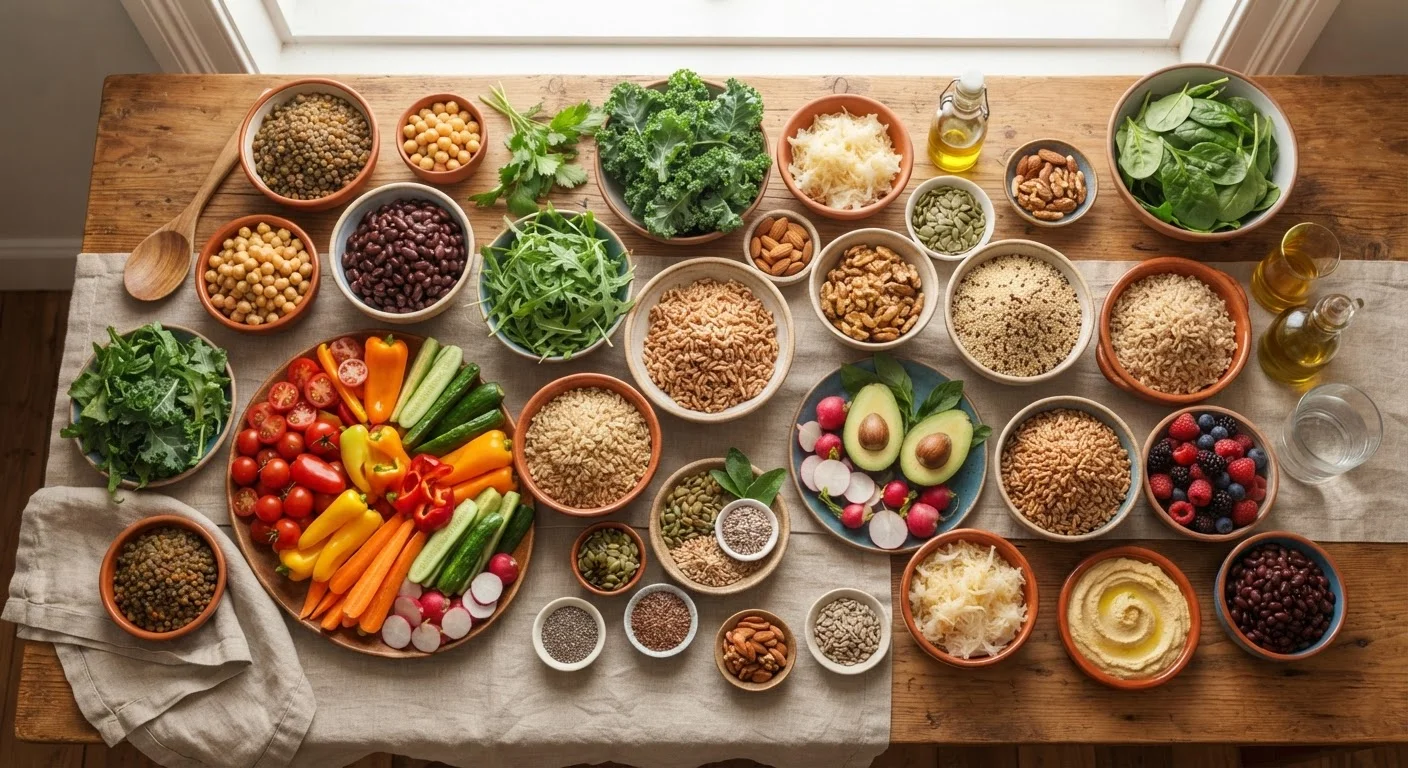
Plant-based eating encompasses a wide spectrum, from fully vegan diets to predominantly plant-forward patterns that still include some fish, dairy, or eggs. Nutritional priorities shift meaningfully across each decade, and that context matters when evaluating any dietary pattern for older adults. The goal here is a clear-eyed look at what the evidence actually supports — and where it raises legitimate caution.
The Nutritional Strengths of Plant-Based Eating
Research consistently associates plant-forward dietary patterns with meaningful health benefits in older populations. These aren't minor advantages — they track against some of the leading causes of morbidity and mortality in adults over 65.
Supports cardiovascular health through reduced saturated fat
Plant-based diets typically contain less saturated fat and more unsaturated fats, a pattern associated with lower LDL cholesterol and reduced cardiovascular disease risk — significant given that heart disease remains a leading cause of death in adults over 65.
High fiber content benefits gut and metabolic health
Most plant-based diets far exceed the average American's fiber intake, supporting a healthier gut microbiome, more stable blood glucose levels, and reduced risk of colorectal conditions common in older adults.
Rich in anti-inflammatory phytonutrients
Fruits, vegetables, legumes, and whole grains supply polyphenols, flavonoids, and carotenoids that help modulate inflammatory pathways — a relevant benefit given that chronic low-grade inflammation is implicated in age-related cognitive and physical decline.
Associated with lower rates of type 2 diabetes
Epidemiological research consistently links plant-forward dietary patterns to a lower incidence of type 2 diabetes, a condition that becomes more prevalent with age and carries significant downstream health consequences.
Supports healthy weight management
High fiber and water content in plant foods tends to promote satiety at lower calorie densities, which can support weight maintenance — important given that both obesity and unintentional weight loss carry elevated health risks in older adults.
~30%
Lower cardiovascular disease risk in plant-based dieters
A systematic review published in the Journal of the American Heart Association found plant-based dietary patterns were associated with approximately 32% lower risk of cardiovascular disease mortality compared to non-plant-based diets.
90%+
Of older adults with inadequate vitamin B12 absorption
Research indicates that a significant proportion of adults over 50 have reduced stomach acid production (atrophic gastritis), impairing B12 absorption from food — a risk that compounds on a plant-based diet without supplementation.
46g/day
Average fiber intake gap in American adults
The Dietary Guidelines for Americans note that most U.S. adults consume roughly half the recommended daily fiber intake, a shortfall that plant-based diets are well positioned to address.
High fiber intake — one of the hallmarks of plant-based diets — supports gut microbiome diversity, blood sugar regulation, and cardiovascular health. Fiber's benefits for aging adults extend well beyond digestion, making it one of the most consistently underconsumed yet impactful nutrients in this age group.
Plant-based diets also tend to be rich in potassium, magnesium, and antioxidants — nutrients that support blood pressure regulation and reduce oxidative stress. The sodium-potassium balance is especially relevant for older adults whose blood pressure sensitivity to dietary sodium typically increases with age.
The Nutritional Gaps That Require Attention
The same dietary pattern that delivers robust fiber and phytonutrients can leave meaningful gaps in nutrients that aging bodies need more — not less — of. These gaps are manageable, but they require awareness and active planning.
Vitamin B12 essentially absent from plant foods
B12 deficiency can cause neurological damage and anemia, and the risk compounds in older adults who already absorb B12 less efficiently. Supplementation or regular consumption of fortified foods is necessary on a fully plant-based diet.
Lower bioavailability of plant-based protein
Plant proteins are digested less efficiently than animal proteins, which matters more after 60 when the body's capacity to synthesize muscle protein declines. Careful selection and meal distribution of protein sources helps offset this limitation.
Calcium and vitamin D require deliberate sourcing
Dairy — a major calcium and fortified vitamin D source for many Americans — is absent in strict plant-based diets. Without intentional substitution through fortified plant milks, leafy greens, or supplements, bone density risks increase.
Non-heme iron is less readily absorbed
Plant-based iron requires pairing with vitamin C-rich foods to meaningfully improve absorption, and certain compounds in legumes and whole grains (phytates) can further inhibit uptake. Iron-deficiency anemia is already a risk in older populations.
Omega-3 fatty acids harder to obtain in active form
Plant sources provide ALA omega-3s, but the body's conversion of ALA to the biologically active EPA and DHA forms is inefficient. Algae-based DHA/EPA supplements are an option, but should be discussed with a healthcare provider.
Zinc intake and absorption may fall short
Zinc supports immune function and wound healing — both increasingly important with age. Plant-based zinc sources are adequate in quantity, but phytates in grains and legumes reduce absorption, making adequacy harder to confirm without dietary tracking.
Fully Vegan vs. Plant-Forward: An Important Distinction
Not all plant-based diets eliminate animal products entirely. Semi-vegetarian or flexitarian patterns that include occasional fish, eggs, or dairy can significantly reduce — though not eliminate — the risk of key nutrient gaps described here. If a fully vegan diet is the goal, closer monitoring and supplementation become more important. Discuss your specific dietary pattern with a registered dietitian who has experience with older adult nutrition to create a plan suited to your individual health profile and any medications you take.
Protein deserves particular attention. Older adults need more dietary protein to maintain muscle mass, and plant proteins — while adequate in variety — are generally less bioavailable than animal proteins. Spreading protein intake across meals, rather than concentrating it in one sitting, helps optimize muscle protein synthesis. Legumes, tofu, tempeh, edamame, and seitan are among the most protein-dense plant options available.
Vitamin B12 is found almost exclusively in animal-derived foods. Adults over 50 already absorb B12 less efficiently due to reduced stomach acid production, making supplementation or fortified food consumption essentially non-negotiable on a fully plant-based diet. Similarly, vitamin D and calcium — critical for bone density — require deliberate sourcing. The role of supplements versus whole foods in closing these gaps is worth understanding before making decisions.
Practical Strategies for Balanced Plant-Based Eating After 65
Closing nutritional gaps on a plant-based diet is achievable, but it works best when approached systematically. A few evidence-informed principles can help older adults eat well without relying on guesswork.
- Prioritize protein variety and distribution: Aim to include a protein-rich plant source at each meal. Combining different plant proteins throughout the day — legumes, whole grains, nuts, seeds — provides a complete amino acid profile.
- Use fortified foods strategically: Fortified plant milks, cereals, and nutritional yeast can deliver B12, calcium, and vitamin D in practical, food-based forms. Check labels, as fortification levels vary widely.
- Monitor and supplement where needed: Blood tests can identify actual deficiencies rather than assumed ones. B12, vitamin D, and omega-3 status are worth discussing with a healthcare provider on a routine basis.
- Pair iron-rich foods with vitamin C: Plant-based iron (non-heme iron) is less readily absorbed than heme iron from meat. Pairing lentils, spinach, or fortified grains with a vitamin C source — citrus, bell pepper, tomato — meaningfully improves absorption.
Consistent meal-structuring principles matter more than any single food choice — a pattern worth internalizing for long-term dietary success. For a broader starting framework, this guide to eating well in your 70s offers practical context tailored to that decade's specific challenges.
This article is for general informational and educational purposes only and is not a substitute for personalized medical or nutritional advice. Consult a qualified healthcare professional or registered dietitian before making significant changes to your diet, especially if you have existing health conditions or take medications.
The content on this site is for informational purposes only and is not a substitute for professional advice. Always consult a qualified professional for guidance specific to your situation.