

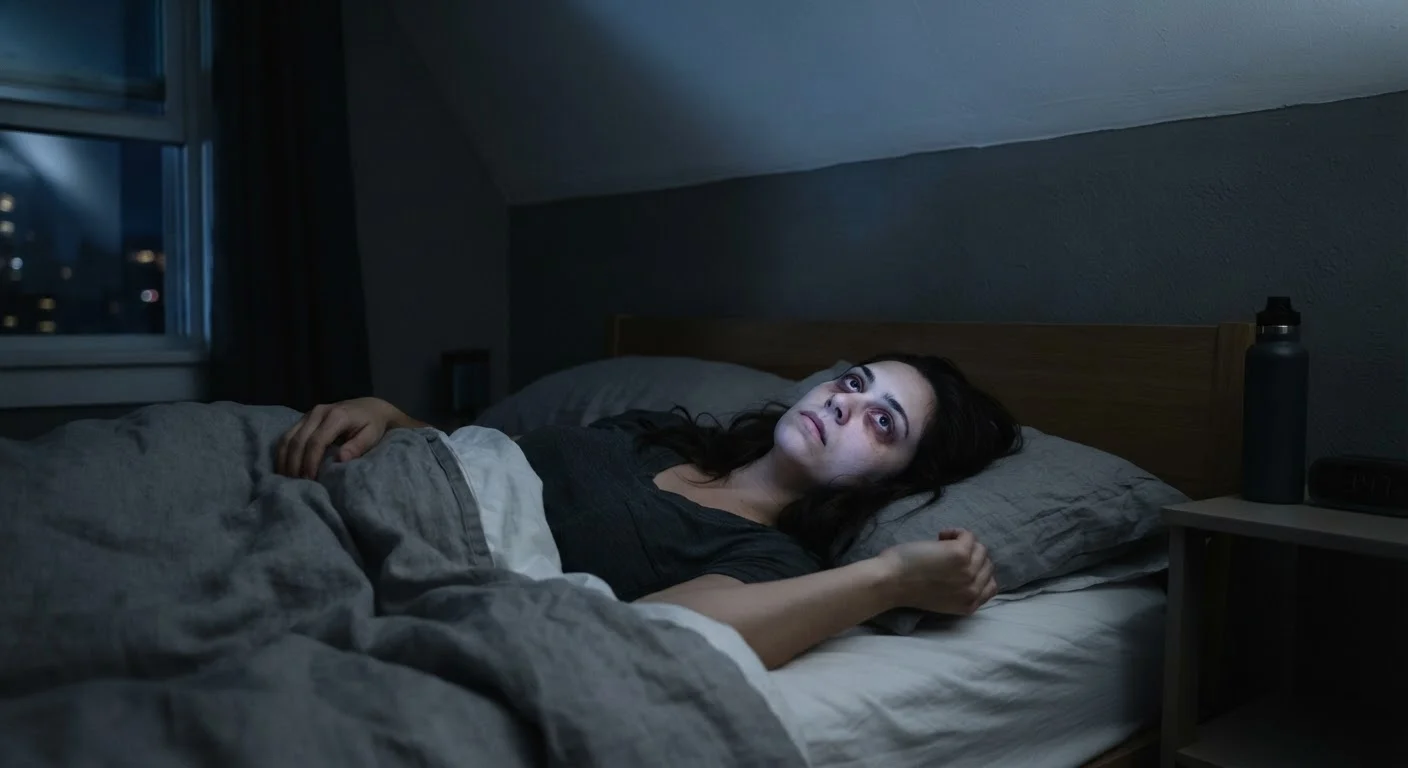
What Happens in Your Brain When You're Short on Sleep
Sleep isn't passive downtime — it's an active biological process during which the brain consolidates memories, clears metabolic waste, and resets emotional circuits. When that process is cut short, the effects show up quickly and compound over time.
Research consistently shows that even modest sleep restriction — around six hours per night — impairs attention, working memory, and decision-making to a degree that rivals going without sleep entirely for one to two nights. More troubling: people in these studies often rated themselves as only slightly sleepy, unaware of how impaired they actually were. The science of how sleep restores mental clarity helps explain why the brain is so sensitive to this kind of deficit.
The prefrontal cortex — the region responsible for planning, impulse control, and emotional regulation — is especially vulnerable to sleep loss. This is partly why a bad night's sleep can make everyday frustrations feel overwhelming and why sound judgment becomes harder to sustain.
1 in 3
U.S. adults regularly sleep fewer than 7 hours
According to data from the Centers for Disease Control and Prevention (CDC), short sleep duration is widespread among American adults.
~24%
Increase in mortality risk linked to chronic short sleep
A large meta-analysis published in Sleep Medicine Reviews found that consistently sleeping fewer than six hours was associated with significantly elevated all-cause mortality risk compared to seven-to-eight-hour sleepers.
3x
Higher likelihood of catching a cold with less than 7 hours
A study by researchers at Carnegie Mellon University found that people sleeping fewer than seven hours per night were approximately three times more likely to develop a cold after exposure to a rhinovirus.
The Body Pays a Cumulative Price
Sleep deprivation isn't just a brain problem. The immune system, metabolism, and cardiovascular system all bear the load of chronic short sleep in ways that aren't always obvious from day to day.
On the immune side, sleep is when the body produces and deploys cytokines — proteins that coordinate the immune response. Skimping on sleep reduces this activity, leaving the body less equipped to fight off common infections and potentially slowing recovery from illness.
Metabolically, two hormones are particularly disrupted: ghrelin, which stimulates hunger, rises with sleep loss, while leptin, which signals satiety, falls. The result is a physiological push toward overeating that has nothing to do with willpower. Insulin sensitivity also declines, which affects how efficiently the body manages blood sugar. For more on how these effects interact with stress hormones, see how stress and sleep feed into each other.
Cardiovascular research adds another layer: regularly sleeping fewer than seven hours is associated with elevated blood pressure and increased markers of inflammation. These aren't acute events — they reflect a slow accumulation of physiological strain.
The Stress–Sleep Cycle and Why It's Hard to Break
One reason sleep deprivation is so persistent is that it feeds the very conditions that make sleep harder. When you're sleep-deprived, the body's stress response activates more readily — cortisol rises, the nervous system stays on higher alert, and winding down at night becomes more difficult. Poor sleep makes stress harder to regulate; elevated stress disrupts sleep. The relationship between sleep and stress regulation is well-documented in behavioral science research.
Breaking this cycle usually requires addressing both sides simultaneously rather than hoping that one will fix the other. Small, consistent changes to sleep timing, light exposure, and pre-sleep routines can gradually shift the pattern — but it takes time. Many overlooked habits quietly erode sleep quality before people realize it, making it worth examining the full picture of what's happening in your daily routine.
If you're looking for structured approaches, the Better Sleep Habits hub covers practical, evidence-informed routines that support more consistent rest over time.
This article is for general informational purposes only and does not constitute medical advice. If you have concerns about your sleep or health, please speak with a qualified healthcare professional.
Frequently Asked Questions
Most adults need between seven and nine hours of sleep per night, according to guidelines from major sleep research organizations. Individual needs vary somewhat, but consistently sleeping fewer than seven hours is associated with measurable health effects. Very few people are genuine 'short sleepers' who thrive on less due to a rare genetic trait.
Weekend recovery sleep can reduce some of the acute feelings of tiredness, but research suggests it does not fully reverse the cognitive and metabolic effects of a week of short sleep. Irregular sleep schedules also disrupt circadian rhythms, which can introduce their own problems. Consistent nightly sleep is more restorative than trying to bank hours on weekends.
Early signs include difficulty concentrating, slower reaction times, irritability, and increased appetite — particularly for high-calorie foods. Many people adapt to these feelings and stop recognizing them as signs of impairment, which is one reason sleep deprivation is often underestimated. If you feel alert only after caffeine, that's a meaningful signal.
No — they are related but distinct. Insomnia involves difficulty falling or staying asleep despite having adequate opportunity for sleep, while sleep deprivation typically results from not giving yourself enough time in bed. Understanding the difference matters because the approaches to addressing each are quite different. See our <a href="/sleep-health/sleep-disorders/insomnia-vs-sleep-deprivation-two-different-problems">full breakdown of insomnia vs. sleep deprivation</a> for more.
Research consistently shows that short sleep disrupts hormones that regulate hunger — specifically increasing ghrelin (which drives appetite) and reducing leptin (which signals fullness). This makes overeating more likely. Chronic short sleep is also associated with insulin resistance, which affects how the body processes glucose.
If you regularly struggle to get enough sleep, feel unrefreshed after sleeping, or suspect an underlying condition like sleep apnea is disrupting your rest, speaking with a healthcare provider is a good step. This article provides general information only and is not a substitute for personalized medical advice.
The content on this site is for informational purposes only and is not a substitute for professional advice. Always consult a qualified professional for guidance specific to your situation.