

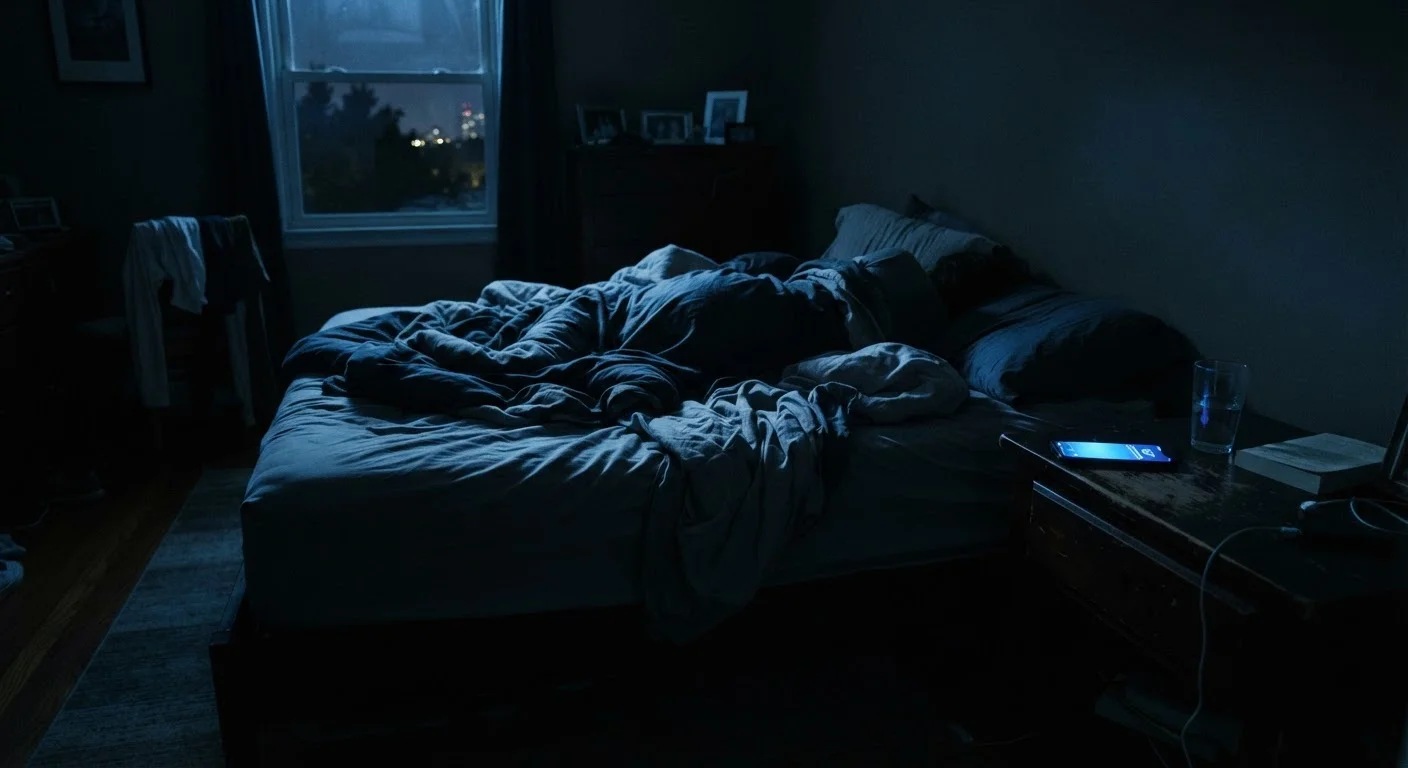
Why Gradual Sleep Erosion Is So Hard to Detect
Most people recognize obvious sleep problems — a night of insomnia, jet lag, or the fatigue after a newborn arrives. What's far harder to detect is the slow, cumulative degradation that common daily habits quietly cause. Sleep researchers refer to this as behavioral sleep debt: a compounding deficit that builds gradually, often without the dramatic symptoms people associate with a sleep disorder.
The challenge is that the human body adapts. Chronic light sleep deprivation can feel normal after weeks of it, leading many people to accept foggy mornings and afternoon slumps as just how they are. Understanding which specific habits drive this erosion — and the biology behind each one — is the first step toward reversing it. For a broader look at how daily routines compound into health risks, see small daily habits that quietly undermine long-term health.
The Most Common Sleep-Eroding Habits — and the Mechanisms Behind Them
The mistakes below are not fringe behaviors. They are embedded in ordinary American routines, which is precisely why they persist. Each one interferes with sleep biology in a distinct way.
Keeping an irregular sleep schedule on weekends — staying up late and sleeping in — even while maintaining consistency on weeknights.
Why it happens: Weekends feel like an opportunity to catch up on sleep or reclaim leisure time, making schedule shifts feel harmless or even beneficial.
Using screens in bed or in the hour before sleep without any blue-light management strategy.
Why it happens: Scrolling through a phone or watching television feels relaxing and wind-down-like, making it intuitive to use as a pre-sleep ritual.
Consuming caffeine in the afternoon or early evening, underestimating how long it remains active in the body.
Why it happens: Caffeine's effects feel largely gone within a few hours, so an afternoon coffee feels inconsequential by bedtime.
Relying on alcohol to fall asleep more easily, treating it as a nightly sleep aid.
Why it happens: Alcohol reliably shortens the time it takes to fall asleep, making it feel effective — the sleep-disrupting rebound effect occurs hours later and is less consciously attributed to drinking.
Engaging in cognitively stimulating or emotionally charged activities — work emails, news, arguments — immediately before bed.
Why it happens: Modern schedules push many mentally demanding tasks into evening hours, and the habit of checking in one more time before bed feels productive or responsible.
Recognizing these patterns is easier when you understand how they interact. Stress and poor sleep, for example, are bidirectionally linked — each worsens the other in a cycle that is genuinely difficult to interrupt. The physiology behind this loop is explored in depth in our piece on how stress and sleep feed into each other.
Building a Framework for Lasting Change
Correcting these habits is less about willpower and more about understanding how sleep biology actually works. The circadian system — the roughly 24-hour internal clock that governs sleepiness, alertness, and hormone release — responds to consistent behavioral cues. Timing, light, temperature, and mental state in the hours before bed all send signals that either support or undermine that clock.
Habits Often Compound Each Other
Correcting a single sleep-eroding habit may produce only modest results if several others remain in place. For example, irregular scheduling combined with late caffeine and evening screen use creates overlapping circadian disruptions that reinforce one another. When making changes, prioritizing the two or three highest-impact habits simultaneously tends to produce more noticeable improvements than addressing them sequentially over months.
Sleep hygiene, a term that encompasses these behavioral factors, is more substantive than many people assume. When multiple erosive habits run concurrently, their effects are additive — which explains why cleaning up just one behavior sometimes yields modest results. A more systematic approach, targeting the highest-impact habits simultaneously, tends to produce the clearest improvements. If fatigue persists despite genuine behavioral changes, underlying sleep disorders may warrant a clinical evaluation.
This article is for general informational purposes only and does not constitute medical advice. If you are experiencing persistent sleep difficulties or daytime fatigue, consult a qualified healthcare professional.
The content on this site is for informational purposes only and is not a substitute for professional advice. Always consult a qualified professional for guidance specific to your situation.