

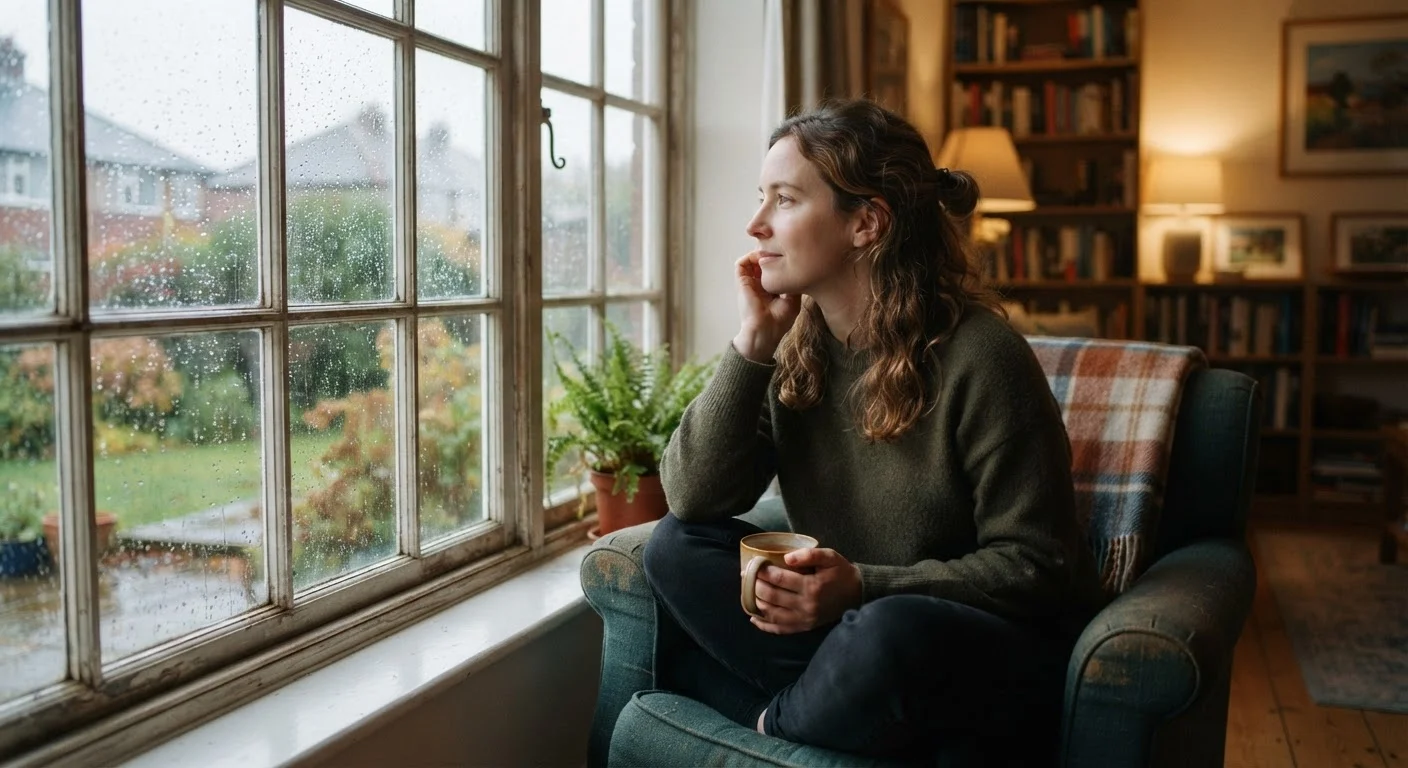
The Myth of the 'Unbreakable' Person
When most people hear the word resilience, they picture someone who stays stoic under pressure — someone who doesn't cry, doesn't falter, and seems almost immune to adversity. It's an image our culture quietly promotes: the strong, silent type who handles everything without complaint.
That image is misleading — and, for many people, genuinely harmful.
Real emotional resilience has nothing to do with suppressing how you feel or refusing to show vulnerability. In fact, research in psychology consistently shows that people who acknowledge and process difficult emotions tend to recover more effectively than those who bottle them up. The goal was never to stop feeling — it was always to keep moving with your feelings, not despite them.
Understanding what resilience actually means is one of the most useful things you can do for your everyday mental well-being. And clearing up this core misconception is the natural starting point. For a broader look at how common myths distort our understanding of resilience, see this examination of mood and resilience misconceptions.
What Emotional Resilience Actually Involves
Psychologists describe resilience not as a fixed personality trait but as a dynamic process — a set of skills, habits, and social resources that interact with the challenges you face. That's genuinely good news, because it means resilience can be cultivated, not just discovered.
At its core, emotional resilience involves several interconnected capacities:
- Emotional awareness: Recognizing what you're feeling and why, rather than operating on autopilot or denial.
- Flexible thinking: Being able to reframe a difficult situation without minimizing it — finding perspective without dismissing pain.
- Social connectedness: Drawing strength from trusted relationships rather than isolating during hard times.
- Self-regulation: Managing emotional intensity so that strong feelings don't completely override your ability to function.
- A sense of meaning or purpose: Having values or goals that help anchor you when circumstances feel chaotic.
None of these capacities require perfection. Resilience isn't about bouncing back instantly — it's about bouncing back eventually, in your own time, with whatever support you need.
~70%
Adults who experience at least one major adverse life event
Research cited by the American Psychological Association indicates the majority of adults face significant adversity — yet many demonstrate meaningful recovery over time.
Dynamic
Nature of resilience according to current research consensus
Leading researchers including those at the American Psychological Association describe resilience as a process that fluctuates over time, not a stable personal attribute.
It's also worth noting that resilience overlaps with, but is distinct from, related concepts like emotional agility and emotional regulation. If you're curious about where those lines fall, this comparison of emotional agility and regulation offers a clear breakdown.
The Role of Connection, Body, and Practice
One of the most consistent findings in resilience research is that social connection matters enormously. People who navigate adversity well are rarely doing it entirely alone. Having even one or two trusted people to lean on — whether friends, family, or a mental health professional — significantly affects how quickly and fully we recover from stress.
The body also plays a direct role. Sleep deprivation, poor nutrition, and physical inactivity all reduce the brain's ability to regulate emotion effectively. Sleep, nutrition, and movement shape emotional resilience in ways that are easy to underestimate when we're focused purely on mindset.
Practices like mindfulness — when properly understood — can also support resilience by helping you observe your emotional experience without being consumed by it. If you're unfamiliar with what mindfulness genuinely involves, this plain-language explanation of mindfulness is a helpful starting point.
None of this demands wholesale life changes. Small, consistent practices — a genuine conversation with a friend, a short walk, a few extra minutes of sleep — compound over time into meaningful resilience.
If you're ready to move from understanding to action, this starting guide to building emotional resilience walks through practical steps you can take at your own pace.
This article is for general informational purposes only and does not constitute medical or psychological advice. If you are experiencing persistent emotional distress, please reach out to a qualified mental health professional.
Frequently Asked Questions
Not at all. Resilient people feel grief, frustration, fear, and sadness just like anyone else. The difference is they tend to process those feelings rather than avoiding or suppressing them. Acknowledging difficult emotions is actually a core part of recovering from them.
Research strongly suggests resilience is a capacity that can be developed through intentional habits and practice. While some people may have early experiences or temperament that makes it easier to start, most of the factors that build resilience — like social support, coping strategies, and self-awareness — are learnable at any age.
Toughing it out typically means pushing emotions aside and pressing forward without processing them, which can lead to burnout or delayed distress. Resilience, by contrast, involves genuinely working through difficulty — acknowledging what's hard, drawing on support, and finding meaning or perspective over time.
Yes. Working with a licensed therapist or counselor can be a highly effective way to build resilience skills, particularly if you're dealing with trauma, chronic stress, or persistent low mood. A professional can help you identify patterns and develop strategies tailored to your situation. This is general information and not a substitute for personalized advice.
Research points to several consistent contributors: adequate sleep, regular physical movement, nurturing close relationships, practicing mindfulness or reflective habits, and developing flexible ways of thinking about challenges. None of these require a dramatic lifestyle overhaul — small, consistent steps make a real difference over time.
The content on this site is for informational purposes only and is not a substitute for professional advice. Always consult a qualified professional for guidance specific to your situation.