

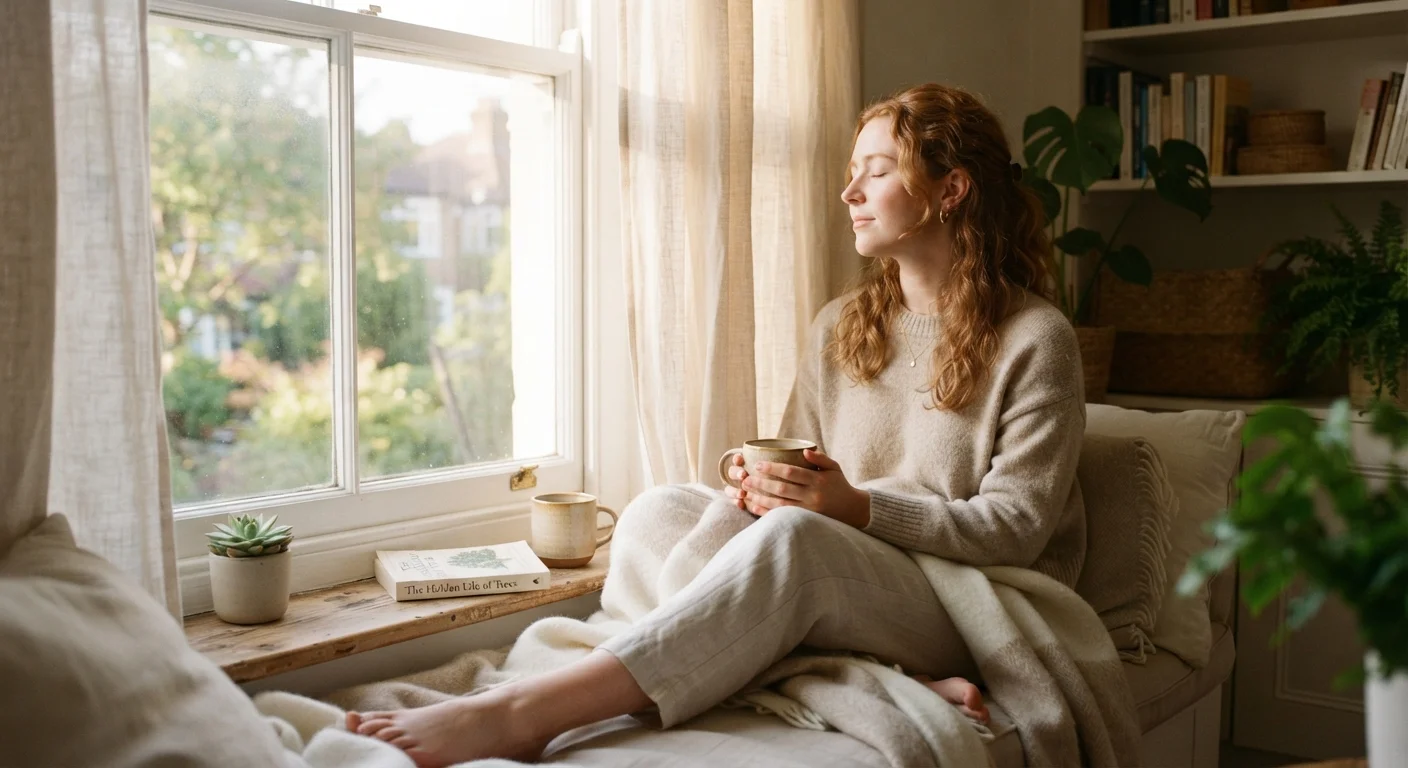
The Word Gets Used a Lot — Here's What It Actually Means
Open any wellness app, stress-management article, or corporate well-being program and you'll encounter the word mindfulness. It gets applied to everything from breathing exercises to skincare routines, which has left many people genuinely confused about what the practice actually involves.
At its core, mindfulness is simply the skill of paying attention — on purpose, to what's happening right now, without judging it as good or bad. That's it. No candles required. No specific belief system. No hour-long sessions on a cushion.
The confusion often stems from conflating mindfulness with its outcomes (calm, clarity) or its methods (meditation, breathwork). Mindfulness is neither a mood nor a technique — it's a quality of attention you can bring to almost any moment. For a broader look at how mindfulness fits alongside rest practices, see this complete overview.
What Mindfulness Is NOT
Clearing up misconceptions is often more useful than reciting definitions. Here are the most persistent myths:
- It is not about emptying your mind. Thoughts will arise — that is what minds do. Mindfulness involves noticing thoughts without automatically following them down a rabbit hole.
- It is not the same as relaxation. You might feel calmer after a mindful moment, but mindfulness sometimes means sitting with discomfort rather than avoiding it. Relaxation is a possible effect, not the goal.
- It is not exclusively meditation. Meditation is one structured vehicle for practicing mindfulness, but the two aren't identical. Mindfulness vs. meditation breaks down exactly how these two overlap and differ.
- It is not reserved for calm people. If anything, people who struggle most with anxious or racing thoughts often have the most to gain from practicing deliberate attention.
Start Smaller Than You Think You Need To
Research on habit formation suggests that very short, consistent practice sessions are more sustainable than long, infrequent ones. Even one or two minutes of deliberate attention each day builds the skill over time. You don't need to carve out a significant chunk of your schedule to begin.
The Science Behind Why It Works
Mindfulness isn't just a wellness trend — it has a substantial and growing research base. Studies on structured programs like Mindfulness-Based Stress Reduction (MBSR) have found associations with reduced perceived stress, lower emotional reactivity, and improved focus. Neuroimaging research has explored changes in brain regions linked to attention regulation and emotional processing in long-term practitioners, though this area of science is still developing.
What the evidence consistently suggests is that regular, intentional practice — even in modest amounts — can shift how we relate to difficult thoughts and feelings. Rather than reacting automatically, practitioners tend to develop a small but meaningful pause between stimulus and response.
8 weeks
Duration of standard MBSR program
The Mindfulness-Based Stress Reduction program developed by Jon Kabat-Zinn at UMass Medical School runs over eight weekly sessions and remains the most studied mindfulness intervention.
~14%
U.S. adults who meditate regularly
According to a National Health Interview Survey conducted by the CDC's National Center for Health Statistics, the share of American adults reporting meditation practice roughly tripled between 2012 and 2017.
It's worth noting that most well-designed studies involve structured, multi-week programs. The casual, app-based version of mindfulness may carry real value, but the strongest evidence supports more consistent, intentional practice.
Mindfulness in Real Life — No Retreat Required
One reason mindfulness suits busy American lifestyles is that it doesn't demand a dedicated time slot. While formal practice (sitting quietly and focusing on breath for a set period) builds the skill deliberately, informal mindfulness can happen anywhere.
Eating a meal without scrolling your phone. Noticing the temperature of water during a shower. Taking three slow breaths before a difficult conversation. These micro-moments of intentional attention are genuine mindfulness practice.
The goal isn't perfection — it's repetition. Each time you notice your mind has drifted and gently return your attention, you're doing exactly what the practice asks. That returning is the exercise. If you've heard that meditation requires hours a day or perfect mental stillness, common meditation myths address exactly those barriers.
Mindfulness also complements other well-being practices. How you manage stress and recover mentally connects closely to physical rest — an area explored in depth under rest and recovery.
This article is for informational purposes only and is not a substitute for professional medical or mental health advice. If you are experiencing significant distress or mental health symptoms, please consult a qualified healthcare provider.
Frequently Asked Questions
No. While meditation is one structured way to build mindfulness skills, you can practice mindfulness informally during everyday activities like eating, walking, or washing dishes. The key is intentional, non-judgmental attention — not a specific posture or setting.
This is one of the most common misconceptions. Mindfulness doesn't ask you to stop thinking. Instead, it involves noticing thoughts as they arise without getting swept up in them. A wandering mind during practice is normal and expected.
Mindfulness has roots in Buddhist contemplative traditions, but the secular, evidence-based form practiced in most clinical and wellness settings is not tied to any religion. Anyone can practice it regardless of spiritual background.
Research suggests benefits can emerge with consistent practice over several weeks, though individual results vary. Some studies on programs like MBSR use eight-week structures. No specific timeline can be promised, and outcomes differ from person to person.
A body of research suggests mindfulness-based practices can help reduce symptoms of anxiety and stress in many people. However, it is general wellness support, not a substitute for professional mental health care. If anxiety is significantly affecting your life, speak with a qualified provider.
Not exactly. Relaxation may be a byproduct of mindfulness, but they aren't the same thing. Mindfulness sometimes involves sitting with uncomfortable feelings rather than avoiding them — which is quite different from simply trying to calm down.
The content on this site is for informational purposes only and is not a substitute for professional advice. Always consult a qualified professional for guidance specific to your situation.