

Why Quiet Joint Stress Is Easy to Overlook
Most joint injuries that show up in midlife or later don't arrive suddenly - they build. Cartilage wears unevenly, tendons adapt to chronic tension, and alignment shifts go uncorrected for years. Because these changes happen below the threshold of acute pain, most people don't connect their current habits to future joint health.
This article isn't about dramatic athletic mistakes. It's about the ordinary movement patterns that quietly accumulate stress - and what you can do differently. For a broader look at how everyday routines compound into health risks, see how small daily habits quietly undermine long-term health.
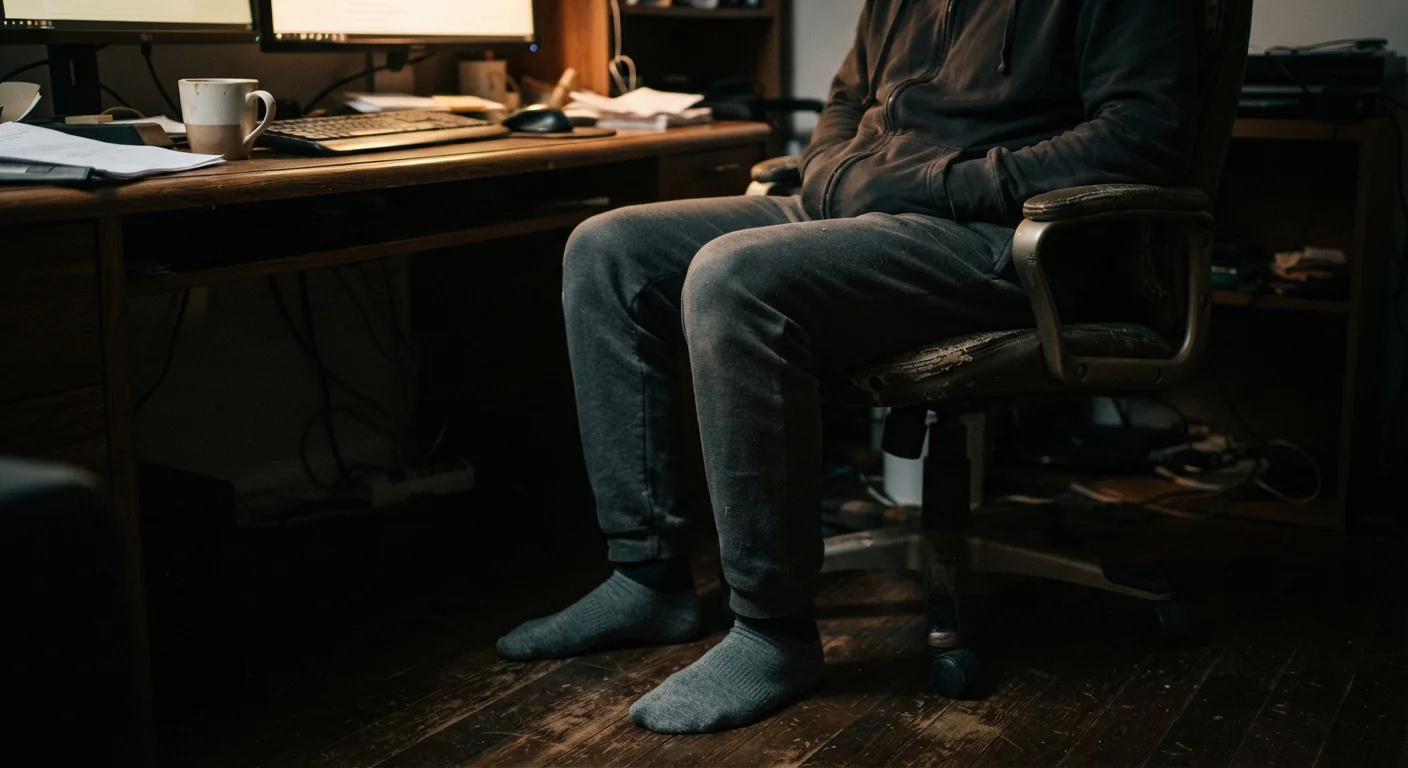
Sitting for hours in the same position without breaks.
Why it happens: Sedentary work and screen-based leisure make long, unbroken sitting the default for millions of adults. It feels passive and therefore harmless.
Skipping a warm-up before moderate or vigorous activity.
Why it happens: Warm-ups feel like lost time, especially during a short workout window. Many people underestimate how much tissue stiffness affects joint mechanics at rest.
Consistently favoring one side of the body during daily tasks.
Why it happens: Handedness, habitual postures, and repetitive occupational movements create asymmetrical loading patterns that feel entirely natural because they're so ingrained.
Walking or exercising in worn-out footwear.
Why it happens: Shoe cushioning and support degrade long before the upper shows visible wear, so people routinely underestimate how old their footwear actually is.
Neglecting strength training for the muscles surrounding major joints.
Why it happens: Many people focus exclusively on cardio or flexibility while viewing strength work as optional or intimidating. Muscle weakness leaves joints absorbing forces they shouldn't.
Ignoring early stiffness and minor discomfort as meaningless.
Why it happens: In the absence of sharp pain, most people dismiss recurring stiffness as normal aging or overexertion and continue the same patterns unchanged.
How to Start Moving Differently
Correcting joint-stressing habits doesn't require a complete lifestyle overhaul. The most important step is awareness - noticing when your body is in positions it holds for long periods or repeating the same movements without variation.
~80%
Adults reporting knee pain linked to daily habits
Research published in orthopedic literature consistently finds that a substantial majority of non-traumatic knee pain cases are associated with modifiable movement and loading factors rather than acute injury.
6-8 hrs
Average daily sitting time for U.S. adults
Data from the CDC and national health surveys estimate that American adults average six to eight hours of sitting per day, contributing to cumulative spinal and hip joint loading.
If you spend long hours at a desk, a structured daily movement reset can counteract the hip flexor shortening and spinal compression that prolonged sitting causes. And if you're already noticing stiffness or reduced range of motion, your body may be signaling that it needs more movement in ways worth paying attention to.
For those managing existing joint conditions, the principles of staying active with arthritis offer guidance on which movement patterns support joint health and which tend to worsen symptoms. And for sound technique across common exercise movements, principles of safe exercise form is a practical reference.
This article is for general informational purposes only and is not a substitute for personalized medical advice. If you experience joint pain, swelling, or restricted movement, consult a qualified healthcare professional before changing your exercise or movement habits.
The content on this site is for informational purposes only and is not a substitute for professional advice. Always consult a qualified professional for guidance specific to your situation.