

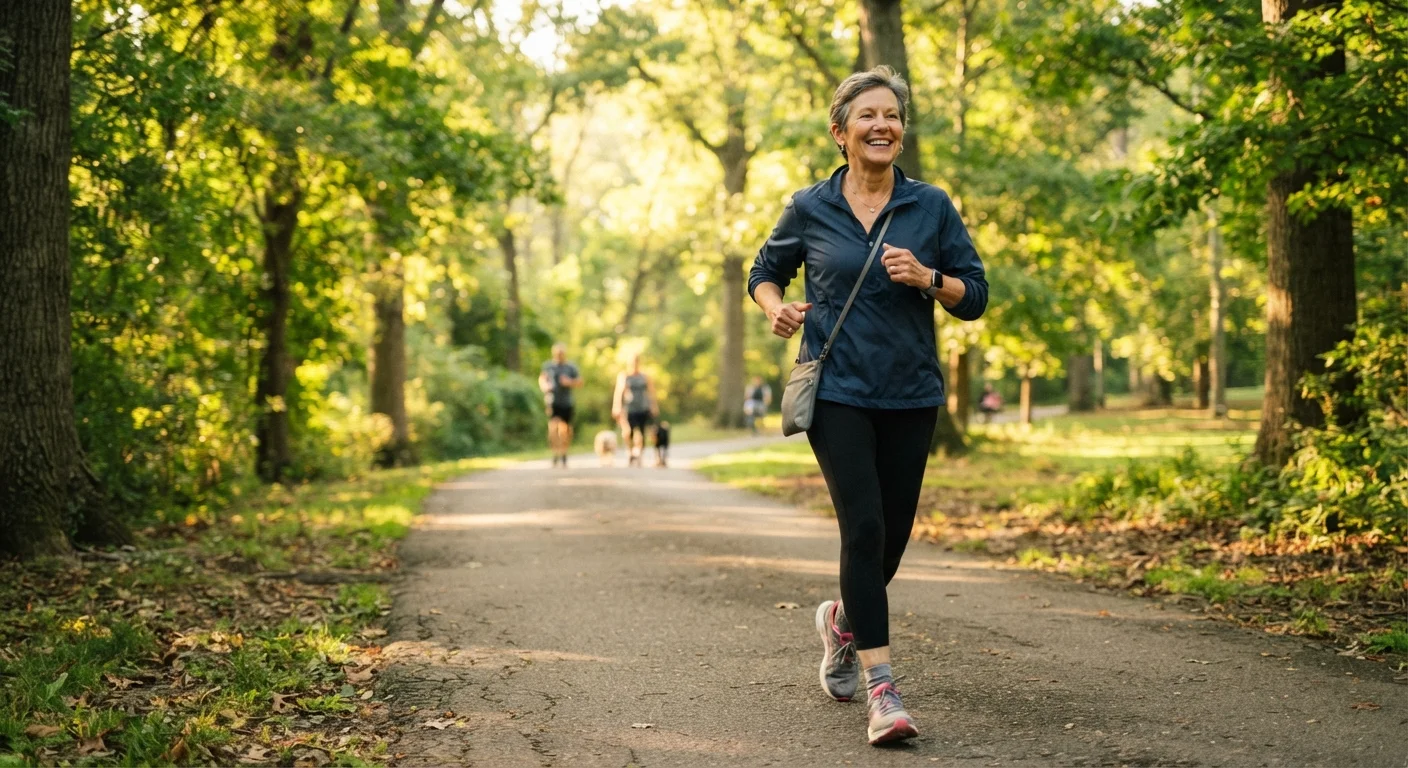
Why Movement Needs Change After 50
The body you have at 55 is not the body you had at 35 - and that's not a problem to overcome so much as a reality to work with. After age 50, several physiological shifts converge: muscle mass naturally declines (a process called sarcopenia), bone density tends to decrease, joint cartilage can thin, and the cardiovascular system becomes less efficient at its peak. Balance and coordination also become more variable as the inner ear and proprioceptive systems - the internal sensors that tell your body where it is in space - change with age.
None of this means that movement matters less. In fact, it means movement matters more, and that targeting the right kinds of activity makes an outsized difference. The goal shifts from peak performance toward something just as meaningful: maintaining functional independence, reducing fall risk, protecting cardiovascular health, and preserving the quality of everyday life.
For a broader look at how your body's relationship to exercise evolves across multiple decades, see our guide to adapting movement as your body changes.
This article is for general informational purposes and is not medical advice. Speak with a qualified healthcare provider before beginning a new exercise program, especially if you have existing health conditions.
The Four Pillars of Active Aging
Exercise science and public health guidelines consistently organize healthy aging movement around four core domains. Understanding them helps you see where your current habits may be strong - and where gaps might exist.
When adding strength training for the first time after 50, prioritize compound movements - exercises that work multiple joints simultaneously - like squats, rows, and presses. These translate most directly to the functional demands of daily life.
Compound movements train the body in integrated patterns it actually uses, meaning improvements in the gym carry over more effectively to activities like climbing stairs or lifting objects.
Don't wait until you feel unsteady to start balance training. Practicing balance challenges - like standing on one foot while brushing your teeth - is most effective when done proactively, before deficits develop.
Balance is a trainable skill, and the neuromuscular adaptations that improve it take weeks to months to develop. Starting early gives those adaptations time to take hold.
1. Cardiovascular Endurance
Aerobic activity - anything that raises your heart rate for a sustained period - supports heart and lung health, metabolic function, and energy levels. Walking, swimming, cycling, and dancing all qualify. Major health organizations generally recommend adults aim for at least 150 minutes of moderate-intensity aerobic activity per week, though individual targets should be discussed with a clinician.
2. Muscular Strength
Resistance exercise - using bodyweight, resistance bands, or weights - helps counteract age-related muscle loss. Stronger muscles also protect joints, improve posture, and make daily tasks like carrying groceries or rising from a chair significantly easier.
3. Balance and Stability
Balance training is often overlooked but is one of the most consequential investments an older adult can make. Falls are a leading cause of injury in people over 65. Simple practices - standing on one foot, heel-to-toe walking, or tai chi - can meaningfully reduce fall risk over time.
4. Flexibility and Mobility
Maintaining range of motion in your joints keeps everyday tasks comfortable and reduces injury risk. Gentle stretching, yoga, and mobility work support this without requiring athletic ability. Use our active aging checklist to evaluate how well your current routine addresses all four pillars.
Everyday Activities That Count as Real Movement
One of the most important shifts in thinking about active aging is recognizing that structured exercise isn't the only form of meaningful movement. Physical activity that occurs in the context of daily life - often called lifestyle movement or incidental physical activity - delivers genuine health benefits.
Consider what these common activities actually involve:
- Gardening: Includes squatting, kneeling, lifting, and repetitive upper-body work - engaging multiple muscle groups and improving grip strength.
- Grocery shopping: Walking, carrying loads, and navigating obstacles constitute low-intensity aerobic activity and functional strength work.
- Housework: Vacuuming, mopping, and scrubbing involve sustained movement and can elevate heart rate meaningfully.
- Walking the dog: Provides consistent cardiovascular stimulus, and the social and outdoor components add further wellbeing benefits.
- Cooking: Standing, moving around the kitchen, and carrying pots builds endurance for prolonged activity on your feet.
This framing is especially useful for people who don't see themselves as exercisers. If that resonates, our article on active living for non-athletes offers a grounded, pressure-free entry point.
Adapting Your Routine as Decades Progress
Movement in your early 50s looks different from movement in your late 70s - and that's appropriate. Adapting thoughtfully across time is a sign of fitness intelligence, not failure.
The 50s: Building the Foundation
This is an ideal decade to establish habits that will serve you for the rest of your life. Most people in their 50s can still participate in a wide range of activities. The priority is adding intentional strength and balance work to whatever cardiovascular habits are already in place.
The 60s: Refining and Protecting
Recovery time often lengthens slightly, and impact activities may need modification. Low-impact alternatives - water aerobics, elliptical training, cycling - can maintain cardiovascular fitness while reducing joint stress. Flexibility and balance work become increasingly important during this decade.
The 70s and Beyond: Staying Consistent and Functional
The goal shifts firmly toward maintaining the ability to perform daily tasks with ease and confidence. Chair-based exercises, gentle yoga, and short walking sessions remain highly effective. Intensity matters less than consistency. For a detailed mapping of how activity priorities evolve across later decades, see how movement needs shift from 60 to 80 and beyond.
Nutrition also plays an important supporting role - adequate protein intake, for example, is closely tied to maintaining muscle mass. Our healthy aging nutrition hub covers how dietary needs shift alongside activity needs.
Getting Started (or Restarted) Without Overwhelm
The most common barrier to movement after 50 isn't physical - it's psychological. Many people feel too far behind, too out of shape, or unsure where to begin. Research consistently shows that beginning a regular activity habit, even in later decades, produces measurable health benefits. It is not too late.
A few practical principles that tend to support lasting change:
- Start smaller than you think you need to. A 10-minute walk done consistently beats an ambitious plan abandoned after a week.
- Anchor new movement to existing habits. A short stretch after your morning coffee or a walk after dinner connects activity to something you already do.
- Choose activities you actually tolerate, if not enjoy. Adherence over months and years matters far more than the theoretical ideal workout.
- Track your four pillars. Periodically checking whether your routine addresses cardiovascular fitness, strength, balance, and flexibility helps prevent gaps from forming silently.
- Consult a professional before significant changes. A physical therapist or exercise physiologist with experience in older adults can tailor a program to your specific health history and goals.
Active aging is not about recapturing youth. It's about moving well in the body and life you have - and doing so with enough consistency that movement becomes a sustaining part of how you live, not an interruption to it. The Staying Active Longer hub offers additional resources, tools, and strategies organized specifically for older adults navigating this journey.
Always consult a qualified healthcare professional before starting a new exercise program, particularly if you have cardiovascular conditions, joint concerns, or other chronic health considerations.
The content on this site is for informational purposes only and is not a substitute for professional advice. Always consult a qualified professional for guidance specific to your situation.