

Why Even Good Medical Advice Gets Sleep Wrong
For decades, sleep recommendations were built on a mix of clinical observation, cultural habit, and limited research. Even well-meaning physicians sometimes passed along guidance that seemed sensible at the time but has since been complicated or outright contradicted by sleep science. Understanding where these myths came from — and why they persisted — is the first step toward better, evidence-informed decisions about rest.
The myths below aren't fringe beliefs. Many appeared in patient handouts, primary care conversations, and mainstream health media. Modern sleep medicine has refined or reversed several of them. For a deeper look at how some beliefs have shifted rather than simply collapsed, see what research has since complicated about common sleep rules.
Myth
Everyone needs exactly eight hours of sleep to be healthy.
Fact
Sleep needs vary by individual and are influenced by genetics, age, and health status — most adults need somewhere between seven and nine hours, but that range is not uniform.
The "eight hours" figure became a shorthand recommendation, but sleep researchers have long recognized meaningful variation between individuals. The American Academy of Sleep Medicine and the Sleep Research Society recommend that adults aim for at least seven hours as a general guideline, while acknowledging that some people genuinely function well on less and others require more. Genetics plays a measurable role: rare variants in certain genes are associated with shorter natural sleep needs without apparent impairment. What matters most is how you feel and function — not hitting an arbitrary number. What the research says about sleeping less than seven hours offers a detailed look at the evidence behind duration recommendations.
Myth
You can fully catch up on lost sleep by sleeping in on weekends.
Fact
While extra weekend sleep can partially reduce sleepiness, research indicates it does not fully reverse the cognitive deficits and metabolic disruptions caused by weekday sleep restriction.
The idea that sleep debt behaves like a financial account — something you can repay in full given enough time — is appealing but not supported by the evidence. Studies using controlled sleep restriction protocols have found that performance on cognitive tasks remained impaired even after multiple nights of extended recovery sleep. Additionally, irregular sleep timing itself carries health implications: researchers use the term social jetlag to describe the circadian disruption caused by large differences between weekday and weekend sleep schedules. This misalignment has been associated with metabolic and cardiovascular markers in observational research, though causality is still being studied. Consistency in sleep and wake times appears to be independently important, not just total hours accumulated.
Myth
Resting quietly in bed — even if you're not sleeping — is almost as good as sleep.
Fact
Quiet rest does not replicate the physiological processes of sleep, including memory consolidation, hormonal release, and cellular repair that occur during specific sleep stages.
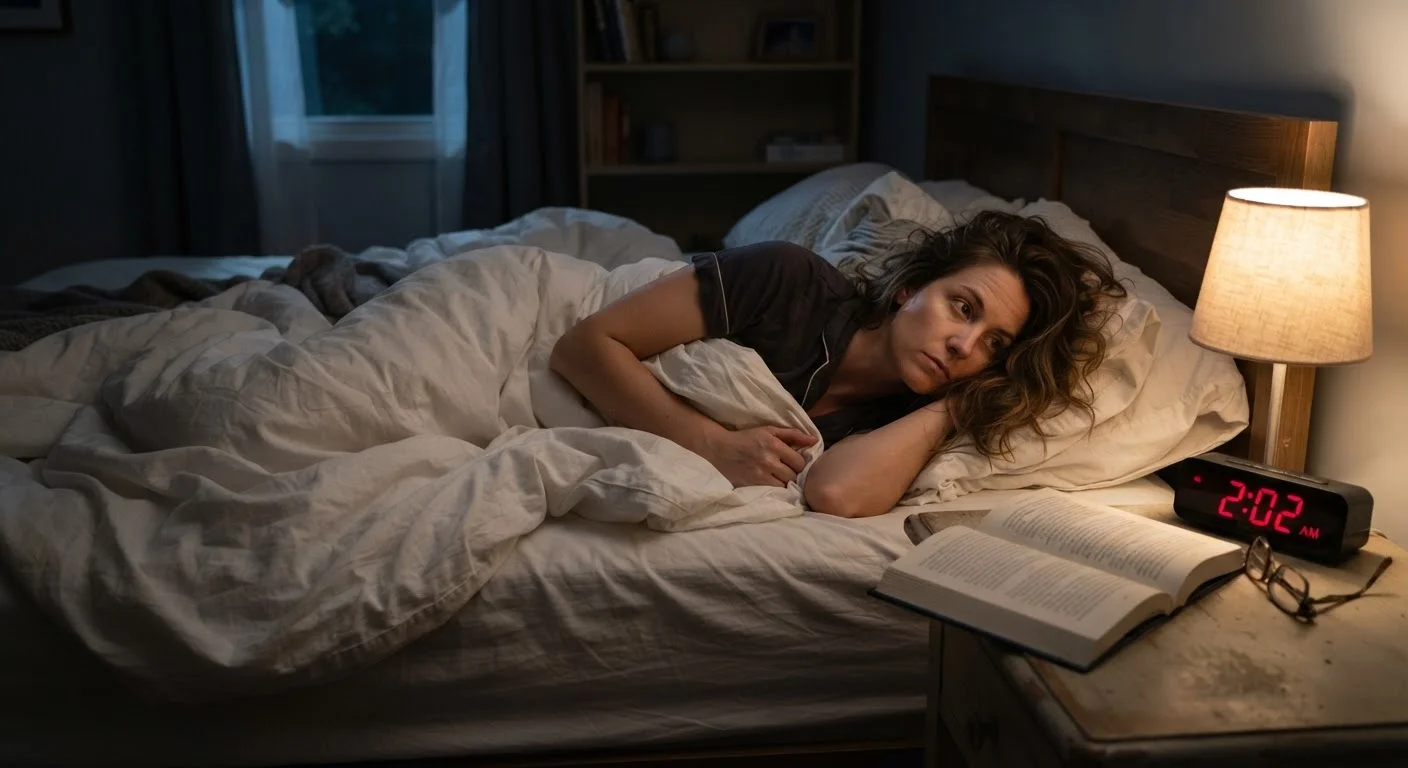
Sleep is an active biological process, not simply the absence of wakefulness. During slow-wave (deep) sleep, the brain clears metabolic byproducts via the glymphatic system, growth hormone is secreted, and memory traces formed during the day are consolidated. During REM sleep, emotional processing and procedural learning take place. Lying still with eyes closed does provide some physical rest, but it does not trigger these stage-specific processes. This distinction matters practically: if you can't sleep, extended time in bed without sleeping can actually reinforce insomnia by weakening the mental association between the bed and sleep — a concept central to Cognitive Behavioral Therapy for Insomnia (CBT-I).
Myth
A drink before bed helps you sleep better.
Fact
Alcohol may reduce the time it takes to fall asleep but suppresses REM sleep and causes sleep fragmentation in the second half of the night, reducing overall sleep quality.
Alcohol's sedative effect in the first few hours after consumption can be mistaken for improved sleep. However, as the body metabolizes alcohol, a rebound effect occurs that tends to fragment sleep, increase wakefulness, and suppress REM — the sleep stage most associated with emotional regulation and cognitive restoration. Regular use of alcohol as a sleep aid can also contribute to tolerance, requiring more to achieve the same effect, and may mask underlying sleep difficulties that deserve attention on their own. People with existing sleep disorders, or those managing other health conditions, should discuss alcohol use specifically with a healthcare provider.
Myth
Snoring is just a nuisance — it doesn't signal a real health problem.
Fact
Frequent, loud snoring can be a primary symptom of obstructive sleep apnea (OSA), a condition associated with cardiovascular strain, daytime impairment, and other health consequences if left unaddressed.
Not all snoring indicates sleep apnea, but snoring accompanied by witnessed pauses in breathing, gasping or choking sounds, or significant daytime sleepiness warrants medical evaluation. Obstructive sleep apnea involves repeated partial or complete collapse of the upper airway during sleep, disrupting oxygen levels and sleep continuity. It is more common than many people realize and is substantially underdiagnosed. Effective evaluation typically involves a sleep study (polysomnography or a home sleep apnea test), and treatment options exist that can meaningfully improve both sleep quality and associated health markers. For a broader look at how misconceptions delay diagnosis, see sleep disorder myths that prevent people from getting help.
What These Corrections Mean for Your Daily Habits
Replacing a myth with accurate information is useful only if it leads somewhere actionable. A few practical takeaways emerge from the corrected picture above:
- Track your own patterns. If you consistently feel alert and functional on seven hours, that may be your genuine need. If you feel impaired on eight, something else may be worth exploring with a healthcare provider.
- Protect weekday sleep rather than banking on weekend recovery. The evidence on social jetlag — the misalignment between your work-week and weekend sleep schedules — suggests that inconsistency carries its own costs. How consistent bedtimes compare to sleeping in on weekends explores this tradeoff directly.
- Don't dismiss snoring as trivial. Loud, frequent snoring paired with daytime sleepiness warrants a conversation with a doctor. Misconceptions that prevent people from seeking help for sleep disorders addresses why many people delay evaluation too long.
- Rethink the nightcap. If winding down with alcohol has become a sleep ritual, it may be worth experimenting with alternatives — a consistent pre-bed routine, reduced light exposure, or other behavioral approaches that don't interfere with sleep architecture.
Persistent Sleep Problems Deserve Professional Attention
If you regularly struggle to fall asleep, stay asleep, or feel rested after what should be adequate sleep, these are not simply habits to push through. Chronic insomnia, sleep apnea, and other sleep disorders are medical conditions with recognized, effective treatments. Avoid self-diagnosing based on general information, and consult a healthcare provider or sleep specialist for a proper evaluation.
This article is for general informational purposes only and does not constitute medical advice. If you have concerns about your sleep quality, duration, or any symptoms such as loud snoring or excessive daytime sleepiness, consult a qualified healthcare professional for personalized evaluation and guidance.
The content on this site is for informational purposes only and is not a substitute for professional advice. Always consult a qualified professional for guidance specific to your situation.