

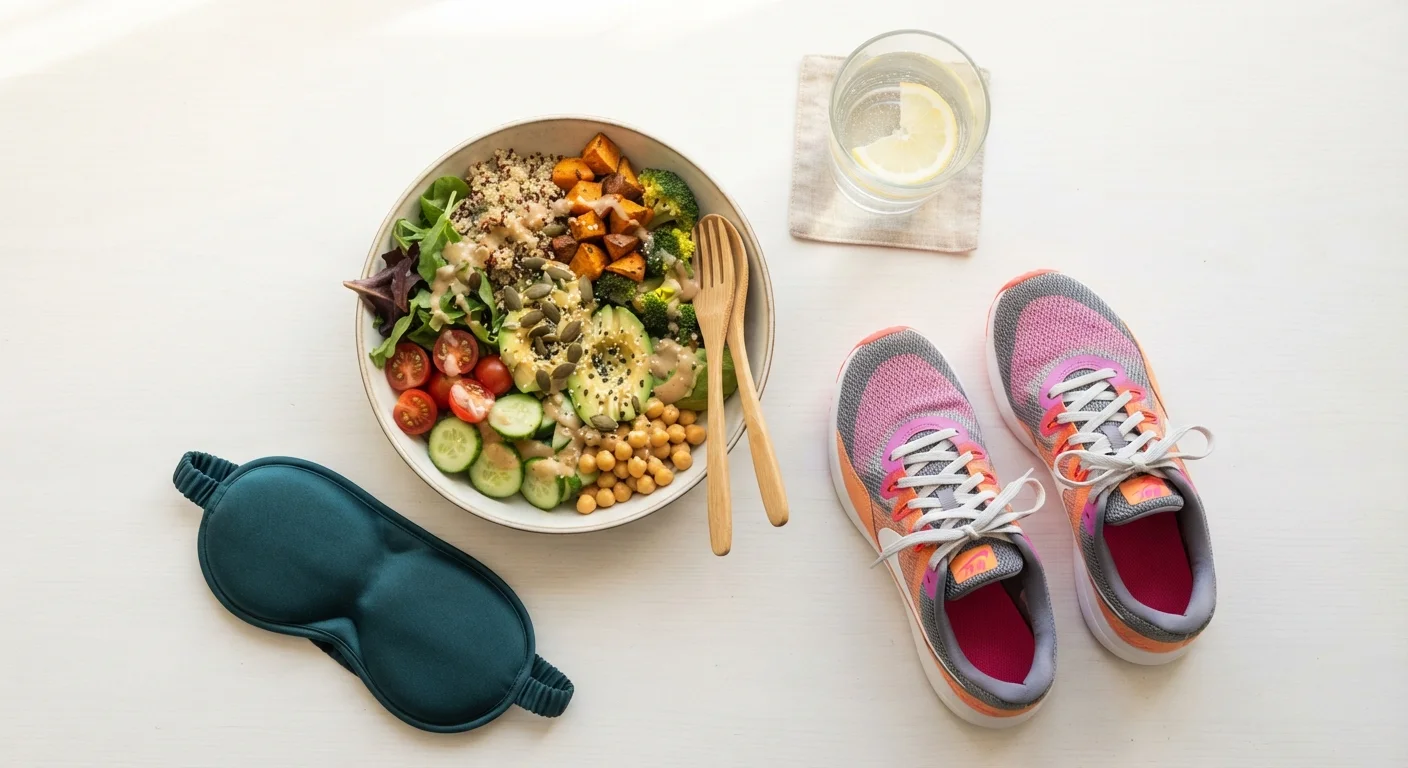
Why Lifestyle and Immunity Are Inseparable
The immune system is not a single organ — it is a coordinated network of cells, proteins, and tissues that responds dynamically to the body's internal environment. That environment is shaped, day by day, by the choices you make around sleep, food, movement, and stress. While no lifestyle habit can guarantee you won't get sick, research consistently shows that certain behaviors create conditions in which immune cells function more efficiently and respond more robustly to threats.
It's also worth stating clearly: vaccination works alongside lifestyle, not instead of it. Staying current on recommended immunizations — as guided by the CDC's Advisory Committee on Immunization Practices — gives the immune system targeted protection that no diet or exercise routine can replicate. Lifestyle habits, in turn, help the body mount and sustain the responses those vaccines are designed to support. For a broader look at what actually moves the needle on long-term health, see what the evidence says about healthy daily habits.
Evidence-Backed Practices for Immune Support
The following practices are grounded in peer-reviewed research and recognized by major health authorities. None are quick fixes — their benefit accumulates over consistent, long-term practice.
Prioritize seven to nine hours of sleep each night
During sleep, the body releases cytokines — proteins that regulate immune responses and inflammation. Chronic short sleep has been associated in multiple studies with reduced production of protective antibodies and greater susceptibility to respiratory illness. The American Academy of Sleep Medicine recommends adults target at least seven hours nightly for general health. Explore practical sleep habits that support consistent, restorative rest.
Eat a wide variety of vegetables, fruits, legumes, and whole grains
Immune cells depend on micronutrients — including vitamins A, C, D, and zinc — that the body cannot reliably synthesize on its own. A varied diet of whole plant foods also feeds the gut microbiome, which plays a significant regulatory role in immune signaling. Dietary patterns, not single superfoods, are what matter most according to nutrition researchers.
Engage in moderate-intensity exercise most days of the week
Regular moderate exercise — such as brisk walking, cycling, or swimming — promotes the circulation of immune cells and reduces chronic low-grade inflammation. Research suggests it can improve the body's surveillance for pathogens and enhance vaccine response in older adults. Very high-intensity training without adequate recovery, however, may temporarily suppress immunity.
Actively manage chronic psychological stress
Prolonged stress elevates cortisol, which in sustained high levels suppresses lymphocyte activity — a key arm of adaptive immunity. Chronic stress is associated with slower wound healing, reduced vaccine efficacy, and greater vulnerability to viral illness. Evidence supports mindfulness-based practices, regular physical activity, and social connection as effective buffers. For daily habits that calm the stress response, see habits that support a calmer mind over time.
Limit alcohol and avoid tobacco in all forms
Alcohol disrupts the gut barrier and impairs the production and function of immune cells, including T-cells and natural killer cells. Tobacco smoke damages the mucosal linings that serve as the body's first line of defense and suppresses white blood cell function. Both are modifiable risk factors with well-documented immune consequences.
Invest in social connection as a health behavior
Social isolation is associated with elevated inflammatory markers and dysregulated immune signaling, independent of other lifestyle factors. Meaningful social relationships appear to buffer the stress response and support healthier immune aging. The CDC and the U.S. Surgeon General have both identified loneliness as a significant public health concern. Learn more in our guide to social connection as a health habit.
Start Here: Quick Actions With Real Impact
If you're unsure where to begin, these concrete steps can be implemented immediately without special equipment or expertise. Each targets a mechanism with meaningful, documented effects on immune health.
For guidance on how these same habits intersect with mood and emotional resilience, see how sleep, nutrition, and movement shape emotional resilience.
This article is for general informational purposes only and does not constitute medical advice. Consult a qualified healthcare professional before making changes to your health routine, especially if you have an existing medical condition.
The content on this site is for informational purposes only and is not a substitute for professional advice. Always consult a qualified professional for guidance specific to your situation.