

Our Verdict
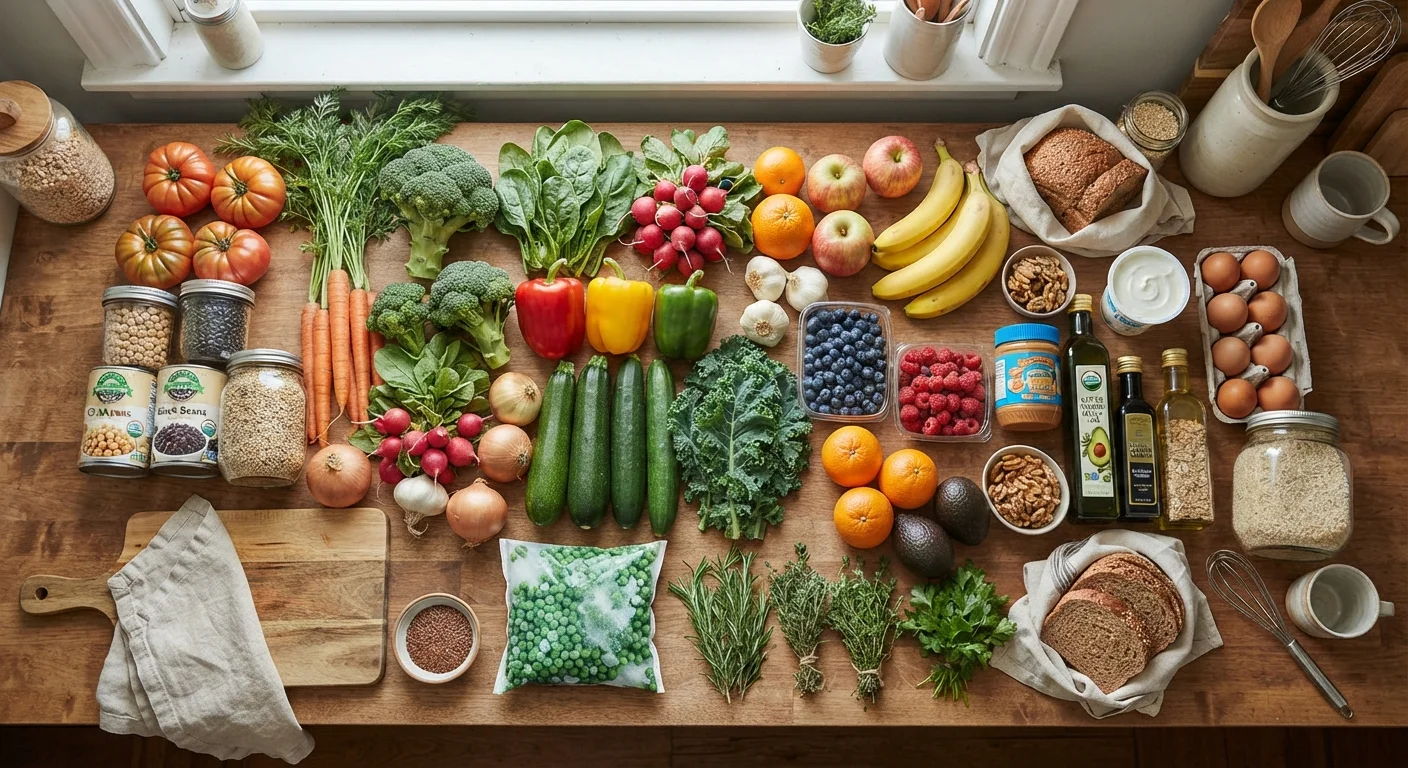
Whole foods offer the most nutritional transparency, but minimally processed options can be equally nourishing and far more practical for busy households. The meaningful divide in dietary quality falls between minimally processed and ultra-processed foods, not between fresh and packaged. Focusing on ingredient lists rather than packaging alone is the most realistic strategy.
| Best for | Recommended |
|---|---|
| Those wanting maximum nutritional control and simplicity | Whole Foods |
| Busy households needing convenience without sacrificing nutrition | Minimally Processed Foods |
| Older adults balancing diet quality and ease of preparation | Minimally Processed Foods |
Defining the Spectrum: What Do These Terms Actually Mean?
The phrase "processed food" gets used as a catch-all warning, but the term covers an enormous range. A bag of pre-washed spinach is technically processed. So is a fluorescent-orange snack cake. Lumping them together distorts how people shop and eat.
Nutrition researchers commonly use a framework called NOVA, developed by researchers at the University of São Paulo, which classifies foods into four groups based on the extent and purpose of processing:
- Group 1 – Whole or unprocessed foods: Fresh or dried fruits, vegetables, plain meats, eggs, plain legumes, and nuts. No added substances.
- Group 2 – Processed culinary ingredients: Oils, flours, salt, sugar, and vinegar — items used to prepare food, not eaten alone.
- Group 3 – Minimally processed foods: Items altered for preservation, safety, or convenience but without added sugars, fats, or additives beyond what the process requires. Examples include canned beans, frozen vegetables, plain yogurt, and pasteurized milk.
- Group 4 – Ultra-processed foods: Formulations with multiple additives — emulsifiers, colorings, flavor enhancers — designed to be hyper-palatable and shelf-stable. Think packaged snack foods, flavored instant noodles, and many breakfast cereals.
This framework is not universally adopted, but it offers a practical mental model for everyday grocery decisions.
How Whole Foods and Minimally Processed Foods Compare
Both categories can anchor a nutritious diet. The differences are largely practical rather than dramatic from a health standpoint.
| Whole Foods | Minimally Processed Foods | |
|---|---|---|
| Definition | Single ingredient, no added substances | Altered for safety or convenience, minimal additives |
| Examples | Fresh apple, raw oats, plain chicken breast | Frozen vegetables, canned beans, plain yogurt |
| Nutrient retention | Highest when fresh and consumed soon | Often comparable; freezing preserves most nutrients |
| Convenience | Requires more prep time | Ready to cook or eat with minimal effort |
| Shelf life | Short; spoils quickly | Longer; reduces food waste |
| Ingredient transparency | Fully transparent | Generally transparent; check labels for sodium or sugar |
| Cost | Varies widely by season and location | Often more affordable and consistent year-round |
A key insight from current nutritional research is that the nutrient loss between whole and minimally processed is often small. Freezing vegetables shortly after harvest, for example, can preserve vitamins as well as — or in some cases better than — fresh produce that has been transported and stored for days. Similarly, canned fish and canned legumes retain most of their protein and fiber content.
Where whole foods have a clear edge is in ingredient transparency. An apple contains exactly what it appears to contain. A plain frozen edamame contains edamame. Compare that simplicity to a multi-ingredient packaged product where the nutrition panel requires decoding.
The Real Concern: Ultra-Processed, Not Just 'Packaged'
Avoiding all packaged food is neither realistic nor necessary for most American households. The nutritional research community's growing concern centers specifically on ultra-processed foods, not on minimally processed options.
Observational studies — including large cohort studies published in journals such as BMJ and JAMA Internal Medicine — have found associations between high ultra-processed food consumption and various health outcomes, including cardiovascular disease risk and metabolic changes. These associations do not prove causation, and researchers continue to study whether specific additives, overall dietary patterns, or other factors are responsible. Still, the signal is consistent enough to inform practical guidance.
A Simple Label-Reading Habit
When evaluating packaged food, look at the ingredient list before the nutrition facts panel. A short list of recognizable ingredients — ideally five or fewer — is a reliable signal of minimal processing. If you can picture each ingredient in its natural form, the product is likely in the minimally processed category. This quick check takes seconds and works across virtually any grocery aisle.
The practical takeaway: scanning a short, recognizable ingredient list is a more useful habit than rejecting every item in a package. Canned tomatoes with no added salt, plain rolled oats, and frozen broccoli are not the same category of food as a heavily sweetened, artificially flavored snack product — even if both come in packaging.
For those managing specific health conditions or navigating nutrition in later life, the balance between food form and overall dietary quality matters. Our guide on whole foods versus supplements for older adults explores how these distinctions apply to aging populations.
This article is for general informational purposes only and does not constitute medical or dietary advice. Consult a registered dietitian or qualified healthcare provider for guidance tailored to your individual health needs.
The content on this site is for informational purposes only and is not a substitute for professional advice. Always consult a qualified professional for guidance specific to your situation.