

The Alarm System Your Brain Never Turns Off
Imagine you're walking and suddenly hear a loud crash behind you. Before you've even consciously processed the sound, your heart is pounding, your muscles are primed, and your senses are on high alert. That's your stress response in action — and it happened in a fraction of a second.
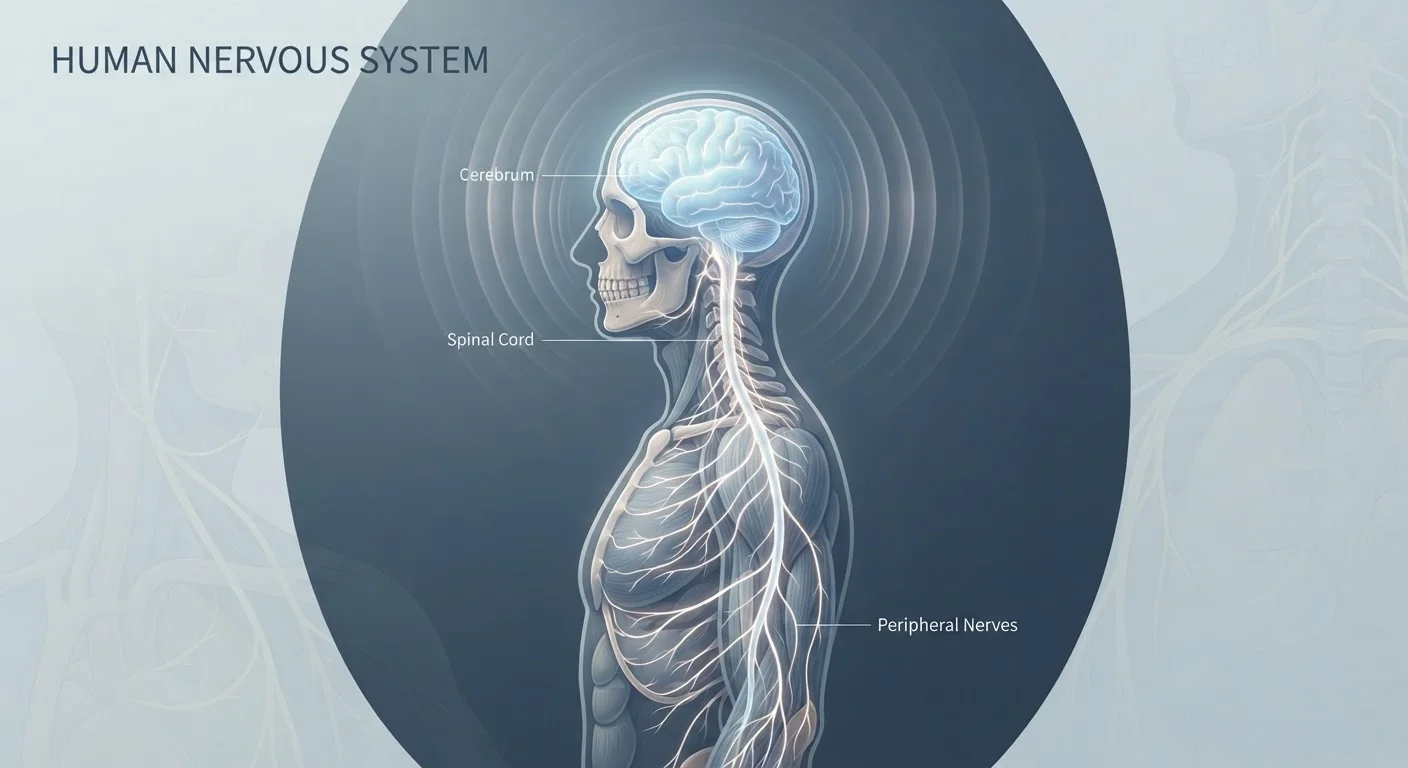
The initiating signal comes from the amygdala, a small, almond-shaped brain region that acts as an emotional alarm system. When it detects something potentially threatening, it immediately signals the hypothalamus — essentially the brain's command center — which then activates the sympathetic nervous system. Think of the sympathetic nervous system as the accelerator pedal of your body's stress machinery.
This whole sequence happens faster than conscious thought. Your body is designed to act first and think second when survival seems at stake — a feature that served our ancestors well when physical threats were common.
What Adrenaline and Cortisol Actually Do
Two hormones do most of the heavy lifting during a stress response: adrenaline (also called epinephrine) and cortisol.
Adrenaline surges first, acting within seconds. It raises your heart rate to pump more blood to your muscles, dilates your airways so you can breathe more oxygen, and sharpens your senses. Digestion slows — energy is redirected away from non-urgent functions toward the muscles and brain.
Cortisol follows slightly behind. Released by the adrenal glands (which sit atop your kidneys), cortisol keeps your energy supply high by encouraging the liver to release glucose into the bloodstream. It also temporarily suppresses functions that aren't immediately necessary, including immune activity and reproductive processes.
~30 seconds
Time for adrenaline to peak in bloodstream
Research on acute stress physiology indicates adrenaline can reach peak blood levels within roughly 30 seconds of a perceived threat.
77%
Americans reporting physical symptoms of stress
According to the American Psychological Association's Stress in America survey, a significant majority of U.S. adults report experiencing physical symptoms they attribute to stress.
20–60 min
Typical cortisol recovery window after acute stress
Studies of the HPA axis suggest cortisol levels generally return toward baseline within 20 to 60 minutes following an acute stressor, assuming no further activation occurs.
Together, these hormones create a state of heightened readiness. For a short sprint or a sudden scare, that's exactly what you need. The system is brilliantly designed — as long as it's temporary.
The Parasympathetic Reset: Your Body's Built-In Calm
Once a threat passes, the parasympathetic nervous system — sometimes called the "rest and digest" system — steps in to counteract the stress response. Heart rate slows, breathing deepens, digestion resumes, and cortisol levels gradually fall. This recovery phase is just as biologically important as the stress response itself.
Certain behaviors actively engage this calming system. Slow, diaphragmatic breathing — particularly with a longer exhale than inhale — is one of the most accessible ways to signal safety to the nervous system. This is backed by research on how breathing patterns influence the vagus nerve, a key player in parasympathetic activity.
For a broader look at how recovery behaviors protect long-term health, see our piece on stress exposure versus stress recovery.
When the Response Doesn't Switch Off: Chronic Stress
The stress response becomes a concern when it's activated repeatedly or continuously without adequate recovery. Modern life — financial pressure, relationship conflict, workplace demands — can keep the system simmering at a low boil for months or years.
Prolonged cortisol elevation has been associated with a range of health effects, including disrupted sleep, changes in mood, impaired immune function, and increased cardiovascular strain. Chronic stress doesn't cause disease overnight, but sustained activation of this system places measurable burden on the body over time.
It's also worth noting that human connection can meaningfully buffer stress physiology. Research shows that social support influences how the nervous system responds to and recovers from stress — something worth exploring in our article on how relationships influence your nervous system.
Understanding your own stress response isn't just academic. When you recognize what's happening inside your body, you're better positioned to respond thoughtfully rather than react automatically — and that awareness is itself a form of resilience.
This article is for general informational purposes only and is not a substitute for professional medical advice, diagnosis, or treatment. If you're concerned about stress or its effects on your health, please consult a qualified healthcare provider.
Frequently Asked Questions
Anything the brain interprets as a potential threat can trigger the response — from a near-miss car accident to a tense work deadline. The key word is 'interprets': the brain doesn't require an actual physical danger, only the perception of one. This is why psychological stressors activate the same pathways as physical threats.
An acute stress response typically peaks within minutes and can subside within 20–60 minutes once the perceived threat passes. However, if stressors are ongoing or a person ruminates on stressful thoughts, the response can remain partially active much longer, which is where chronic stress begins.
No — brief, manageable stress can actually enhance focus, motivation, and performance, a phenomenon researchers sometimes call 'eustress.' The concern arises when the stress response is chronically activated without sufficient recovery time, which can strain multiple body systems over time.
Stress is typically triggered by an identifiable external situation, while anxiety can persist even when no clear threat is present. Both share physiological overlap, but their patterns and drivers differ in important ways. For a deeper look, see our article on <a href="/mental-wellness/stress-and-anxiety/anxiety-vs-stress-understanding-the-difference-and-why-it-matters">the difference between stress and anxiety</a>.
Research suggests that practices such as slow, deliberate breathing, regular physical activity, and consistent sleep can support the parasympathetic nervous system's ability to restore calm. These aren't cures, but they are evidence-informed habits that may help improve stress recovery over time.
The content on this site is for informational purposes only and is not a substitute for professional advice. Always consult a qualified professional for guidance specific to your situation.