

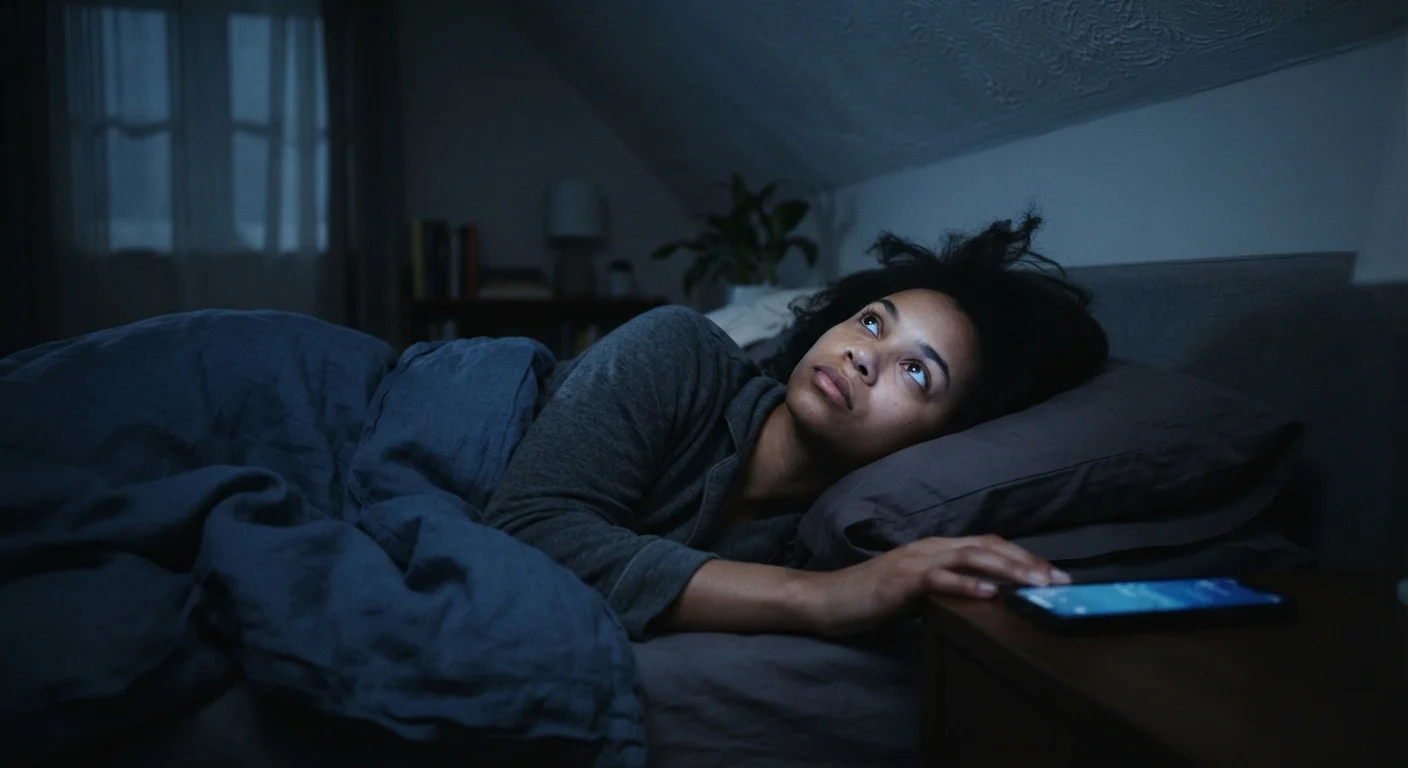
Why Good Intentions Can Work Against Rest
Most people who struggle with sleep aren't ignoring it — they're actively trying to fix it. The problem is that some of the strategies that feel most logical actually interfere with the biological systems that regulate rest. Understanding why these habits backfire makes it easier to change them without guilt or frustration.
Sleep is governed by two overlapping systems: your circadian rhythm (an internal 24-hour clock) and sleep pressure (the gradual buildup of tiredness across the day). Many common habits quietly undermine one or both of these systems, often without any obvious short-term signal that something is wrong. The effects tend to accumulate gradually — which is part of why they're so easy to overlook. For a broader look at how daily routines compound into meaningful health effects, see small daily habits that quietly undermine long-term health.
Sleeping in on weekends to 'catch up' on lost rest.
Why it happens: After a draining work week, a long Saturday morning sleep feels like a natural correction. It's intuitive — if you're sleep-deprived, more sleep should help.
Scrolling on a phone or tablet as a way to relax before bed.
Why it happens: Most people genuinely experience screen time as relaxing. It feels passive and low-effort — exactly what winding down should look like.
Exercising intensely close to bedtime.
Why it happens: Busy schedules often make evening the only available window for a workout. People assume that physical tiredness will translate directly into better sleep.
Lying in bed awake hoping sleep will eventually arrive.
Why it happens: It feels counterproductive to get up when you're tired. Most people believe staying horizontal gives them the best chance of drifting off.
Drinking alcohol in the evening to ease into sleep.
Why it happens: Alcohol has genuine sedative properties, and many people notice they fall asleep faster after a drink. The connection feels logical.
Building Patterns That Actually Support Sleep
Correcting these habits doesn't require an overhaul of your entire lifestyle. Small, consistent adjustments tend to have a meaningful impact over time. Anchoring your wake time, stepping away from screens before bed, and being honest about how alcohol affects your night are accessible starting points for most people.
~35%
U.S. adults sleeping less than 7 hours
According to CDC surveillance data, roughly one in three American adults regularly gets less than the recommended minimum of seven hours of sleep per night.
90 min
Melatonin suppression from evening screen use
Studies published in sleep research journals have found that blue-light exposure from screens in the evening can suppress melatonin onset by up to 90 minutes compared to dim-light conditions.
24%
Reduction in REM sleep linked to alcohol
A meta-analysis in the journal Alcoholism: Clinical and Experimental Research found that alcohol consumed before bed reduced REM sleep by an average of around 24 percent.
If you use a fitness tracker or sleep app, treat the data as context rather than a verdict. These tools have real limitations in measuring sleep stages accurately, and fixating on low scores can itself create anxiety that disrupts rest. For a clear-eyed look at what these devices can and can't tell you, see sleep tracking tools: what they measure and what they miss.
Sleep habits also intersect with emotional resilience — poor rest erodes our capacity to manage stress, and chronic stress makes restful sleep harder to achieve. If you're noticing that mood and energy are both suffering, it may be worth exploring habits quietly undermining your emotional resilience alongside these sleep adjustments. For practical routines that reinforce consistent, restorative rest, the Better Sleep Habits hub is a useful ongoing resource.
This article is for general informational and educational purposes only and does not constitute medical advice. If you are experiencing persistent sleep difficulties, please consult a qualified healthcare professional.
The content on this site is for informational purposes only and is not a substitute for professional advice. Always consult a qualified professional for guidance specific to your situation.