

Our Verdict
Foam rolling is a genuinely useful movement tool, but it's surrounded by more marketing than science. Its real strengths - short-term flexibility gains and improved post-exercise comfort - are meaningful enough to make it worth including in a routine. Its limits, particularly around tissue remodeling and deep recovery, are equally real and worth understanding.
Foam rolling is best suited to active adults looking to improve pre-workout mobility or manage general muscular tightness as part of a consistent movement practice.
What Foam Rolling Actually Does to Your Body
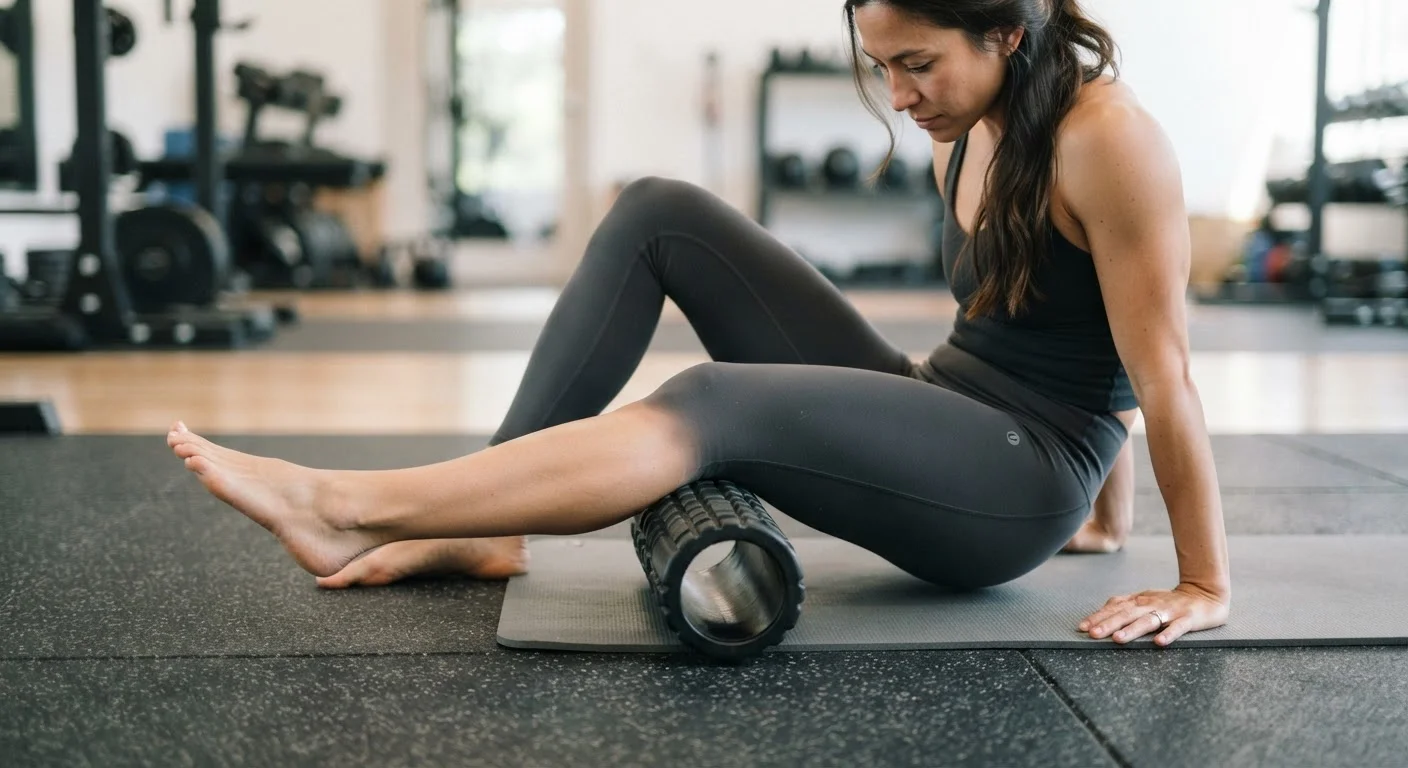
Foam rolling - also called self-myofascial release (SMR) - involves applying sustained pressure to muscle tissue using a cylindrical roller. The basic idea is that rolling along a muscle group increases blood flow, reduces tissue stiffness, and improves range of motion.
Research does support some of these effects, within limits. Multiple peer-reviewed studies have found that foam rolling produces short-term increases in flexibility and joint range of motion - typically lasting 10 to 30 minutes after rolling. This makes it genuinely useful as a warm-up tool before dynamic movement or training.
The likely mechanism isn't dramatic structural change. Instead, researchers believe rolling activates the nervous system's sensitivity to pressure and stretch, temporarily reducing the muscle's resistance to lengthening. Some studies also suggest it may reduce arterial stiffness, which could support localized blood flow - though this research is still developing.
Foam Rolling and the Nervous System
Much of foam rolling's effect appears to work through mechanoreceptors - sensory receptors in muscle and connective tissue that respond to pressure. Stimulating these receptors can temporarily alter how the nervous system regulates muscle tension and perceived tightness. This is why the sensation of relief is real even when structural tissue change is unlikely. It also explains why breathing and moving slowly during rolling tends to enhance the effect.
What Foam Rolling Does Not Do
The wellness industry has attached some impressive claims to foam rollers that the evidence doesn't consistently support. Being clear about these limitations helps set realistic expectations.
Does not mechanically restructure fascial tissue
Despite widespread belief, foam rollers do not generate enough force to break up adhesions or remodel connective tissue - the benefits are primarily neurological and temporary.
Modest and short-lived flexibility gains
Range-of-motion improvements from foam rolling typically dissipate within 30 minutes. Long-term flexibility requires consistent stretching and movement practice, not rolling alone.
Limited impact on actual injury recovery
Foam rolling is not a therapeutic intervention for injuries. Using it in place of professional care for pain, strains, or structural issues can delay appropriate treatment.
Effectiveness depends heavily on technique
Rolling too quickly or for too short a duration produces minimal benefit. Most casual users don't apply the slow, sustained pressure that research links to improved outcomes.
The idea that foam rolling "breaks up" fascial adhesions or scar tissue is a popular one - but the forces generated by a human body rolling on foam are not sufficient to mechanically alter dense connective tissue. Current research suggests the felt effects are largely neurological, not structural.
Similarly, while some people use foam rolling to reduce delayed-onset muscle soreness (DOMS), the evidence here is mixed. Some studies show modest perceived soreness reduction; others show no significant effect on actual recovery markers like strength restoration or inflammation levels.
When Foam Rolling Is Most Helpful
Used strategically, foam rolling earns its place in a movement routine. Here's where it has the clearest utility:
Improves short-term flexibility before exercise
Rolling a muscle group for 60-120 seconds before activity has been shown to temporarily increase range of motion without reducing muscle activation, making it a practical warm-up addition.
Reduces perceived post-exercise soreness
Several studies report that foam rolling after training reduces subjective feelings of soreness in the following 24-72 hours, which may help people maintain training consistency.
Low cost and requires minimal equipment
A basic foam roller is widely available and requires no special training to use, making it one of the most accessible movement tools for everyday adults.
Can support parasympathetic recovery when used calmly
Slow, intentional foam rolling may activate the nervous system's rest-and-digest response, particularly when combined with controlled breathing - adding a mild relaxation benefit post-workout.
To get meaningful results from foam rolling, technique matters. Research suggests rolling slowly - about one inch per second - and pausing for 20 to 30 seconds on areas of notable tension produces better outcomes than fast, superficial passes. Aim for two to five minutes per muscle group. Discomfort is normal; sharp or radiating pain is a signal to stop.
For a broader look at how foam rolling fits alongside other recovery practices, see Recovery Habits Worth Adding to Your Weekly Routine.
Putting It in Perspective
Foam rolling is not a replacement for adequate sleep, progressive training, or professional care when you're dealing with an actual injury. It's a low-cost, accessible tool that - when used with reasonable expectations - complements an active lifestyle rather than defining it.
~30 min
Duration of flexibility gains post-rolling
Research published in sports science journals consistently finds that range-of-motion improvements from foam rolling are temporary, typically resolving within 30 minutes.
20-30 sec
Optimal pause time on tense areas
Exercise science literature suggests holding sustained pressure on a tender spot for at least 20 to 30 seconds to achieve a meaningful neurological release response.
People with chronic pain conditions, recent injuries, or underlying musculoskeletal issues should consult a physical therapist or physician before adding foam rolling to their routine. Special populations, including pregnant individuals and older adults managing joint conditions, should seek personalized guidance.
This article is for general informational purposes only and does not constitute medical advice. Always consult a qualified healthcare professional regarding any personal health concerns, symptoms, or before beginning a new exercise practice.
The content on this site is for informational purposes only and is not a substitute for professional advice. Always consult a qualified professional for guidance specific to your situation.